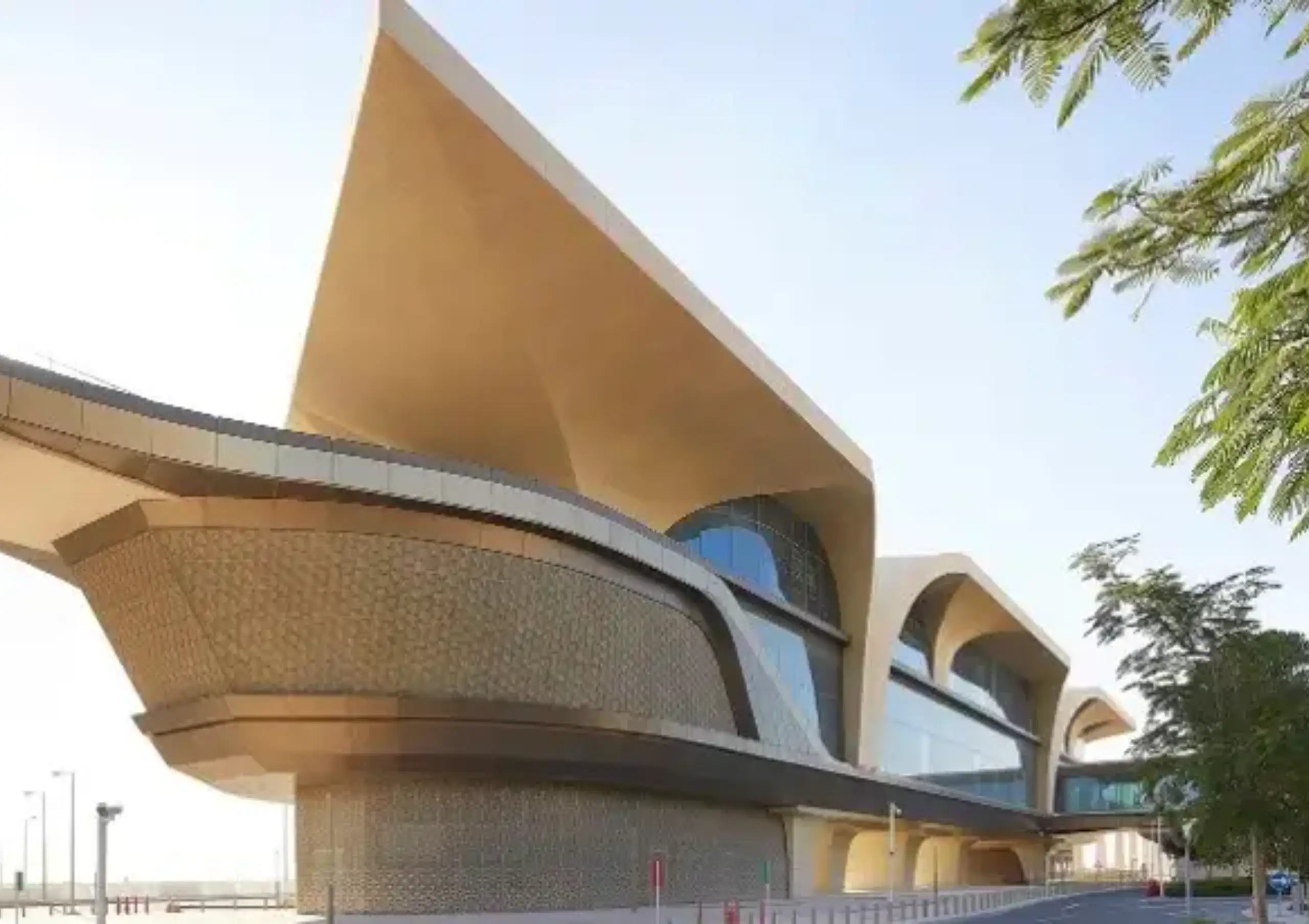
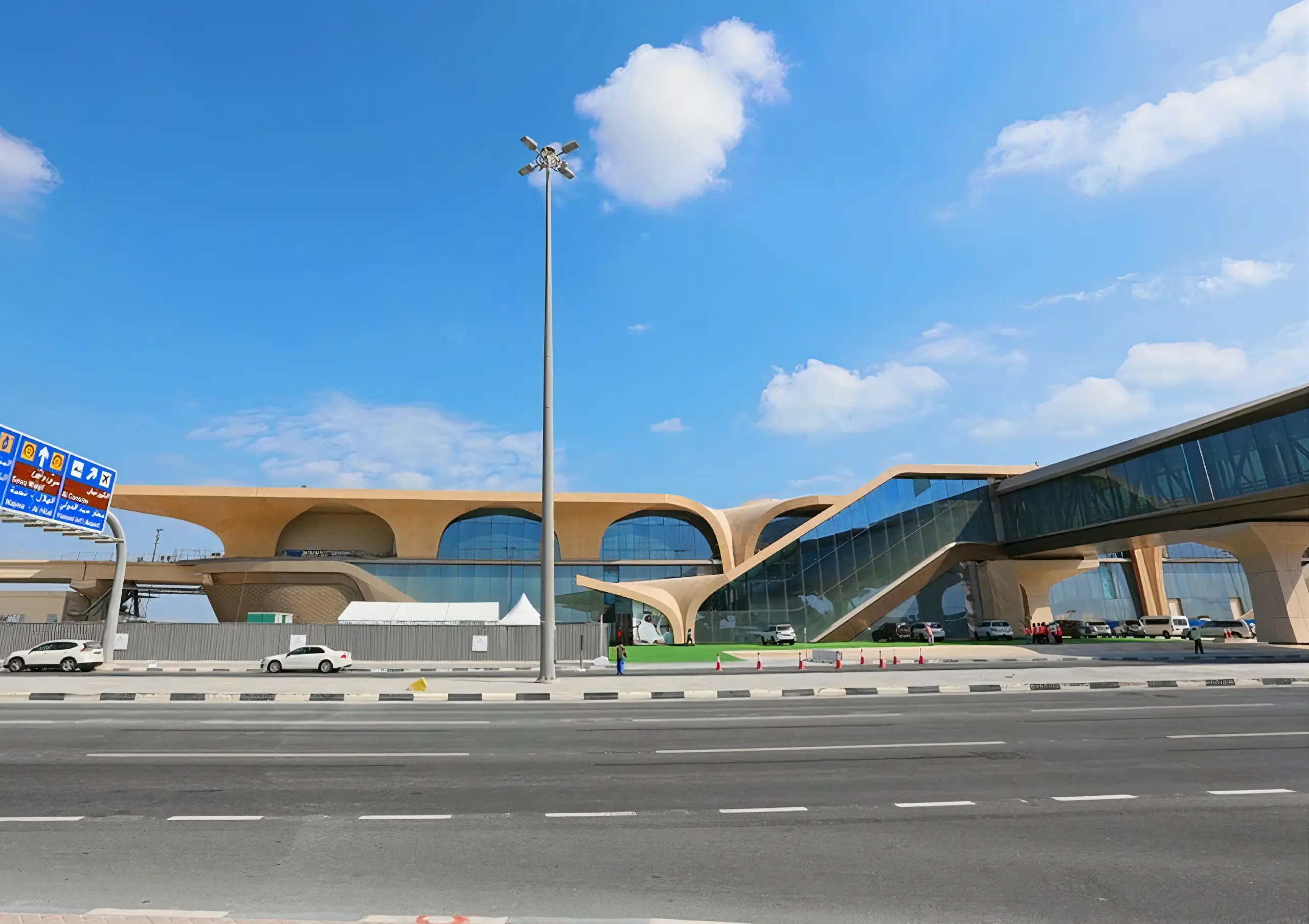
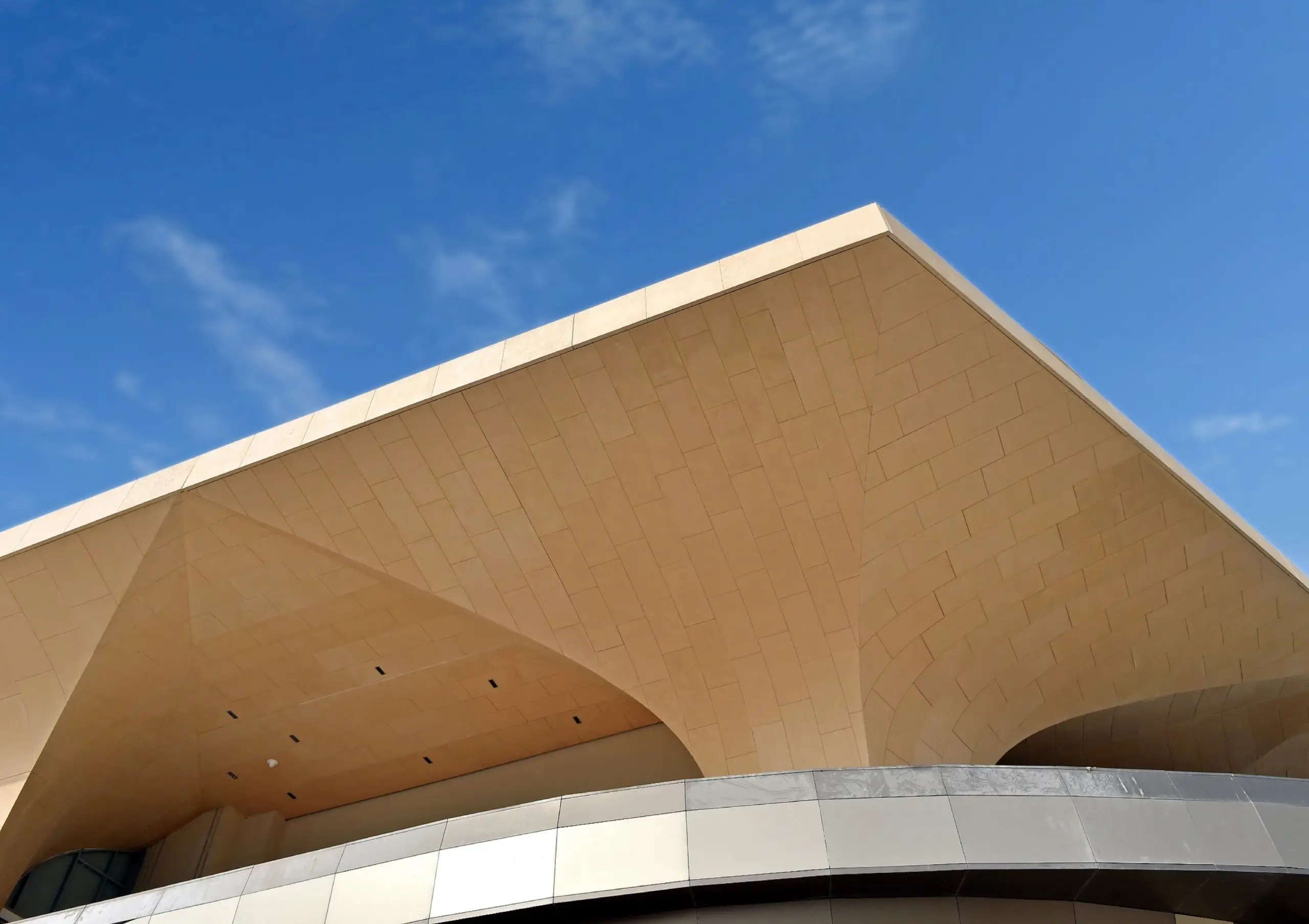
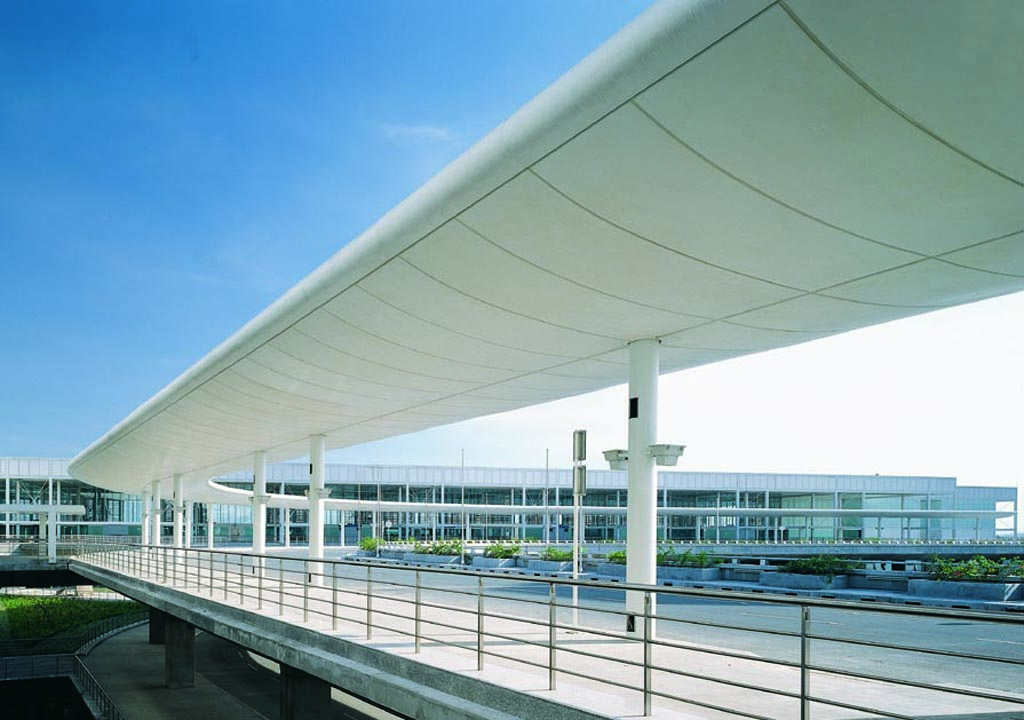
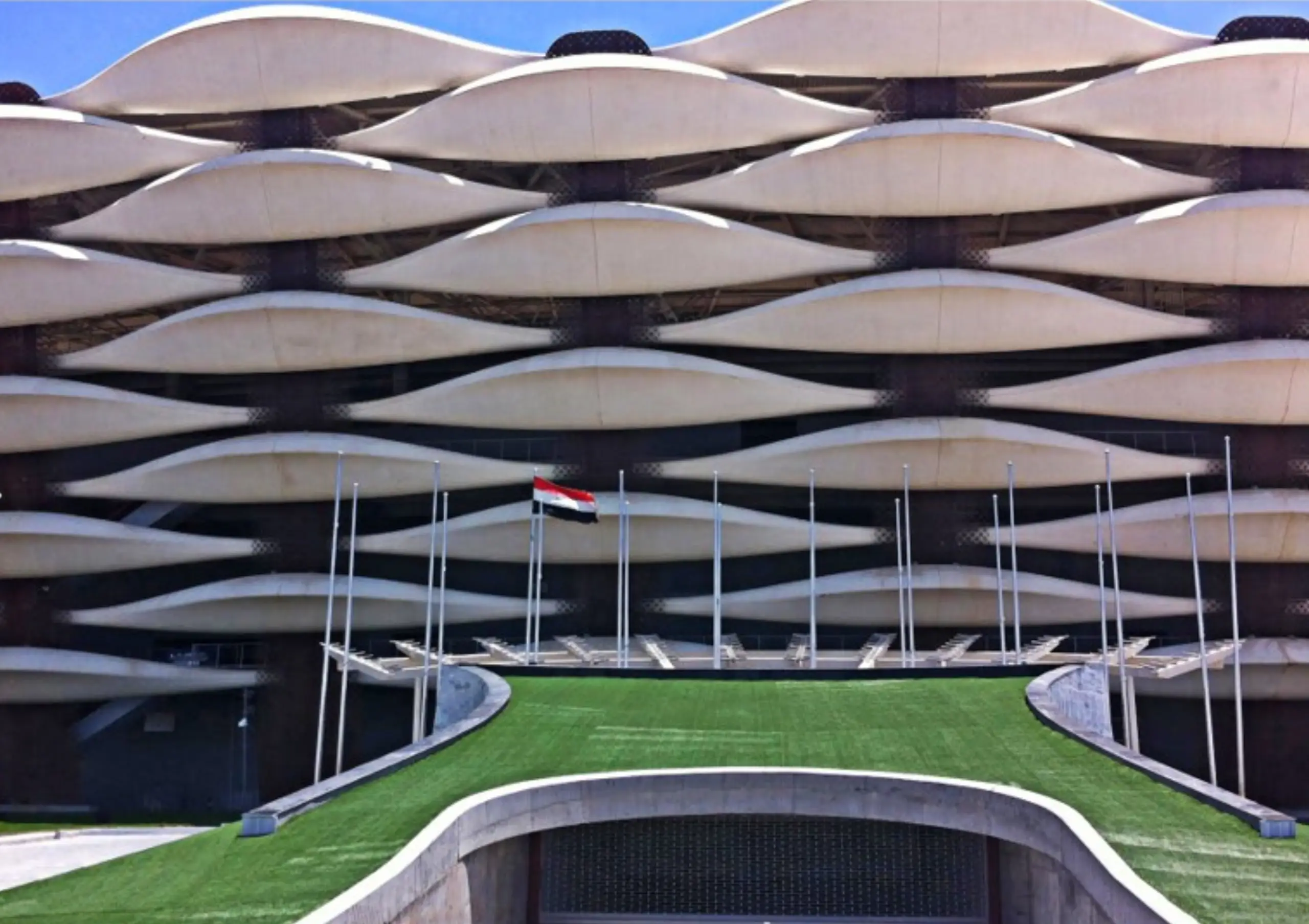
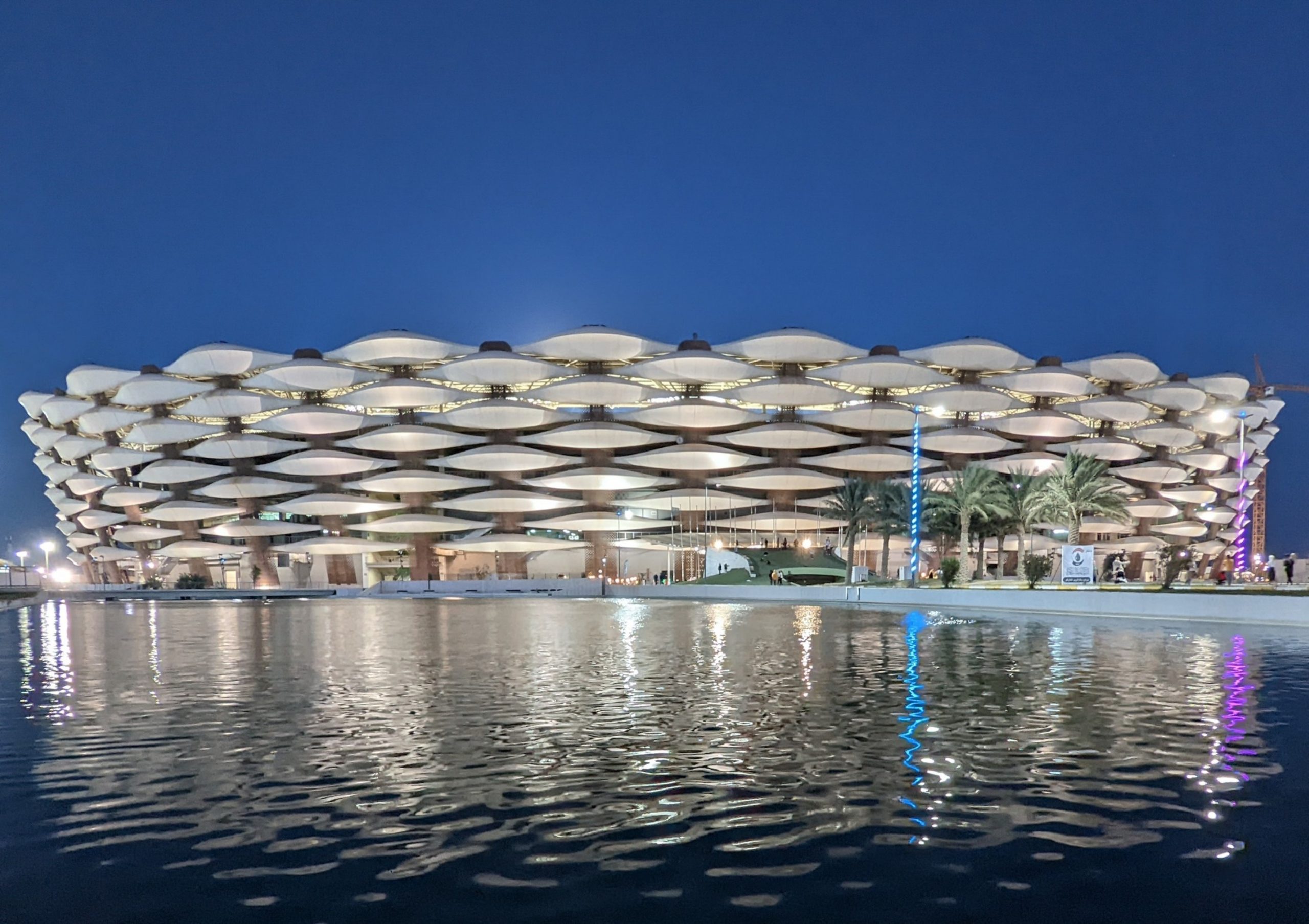
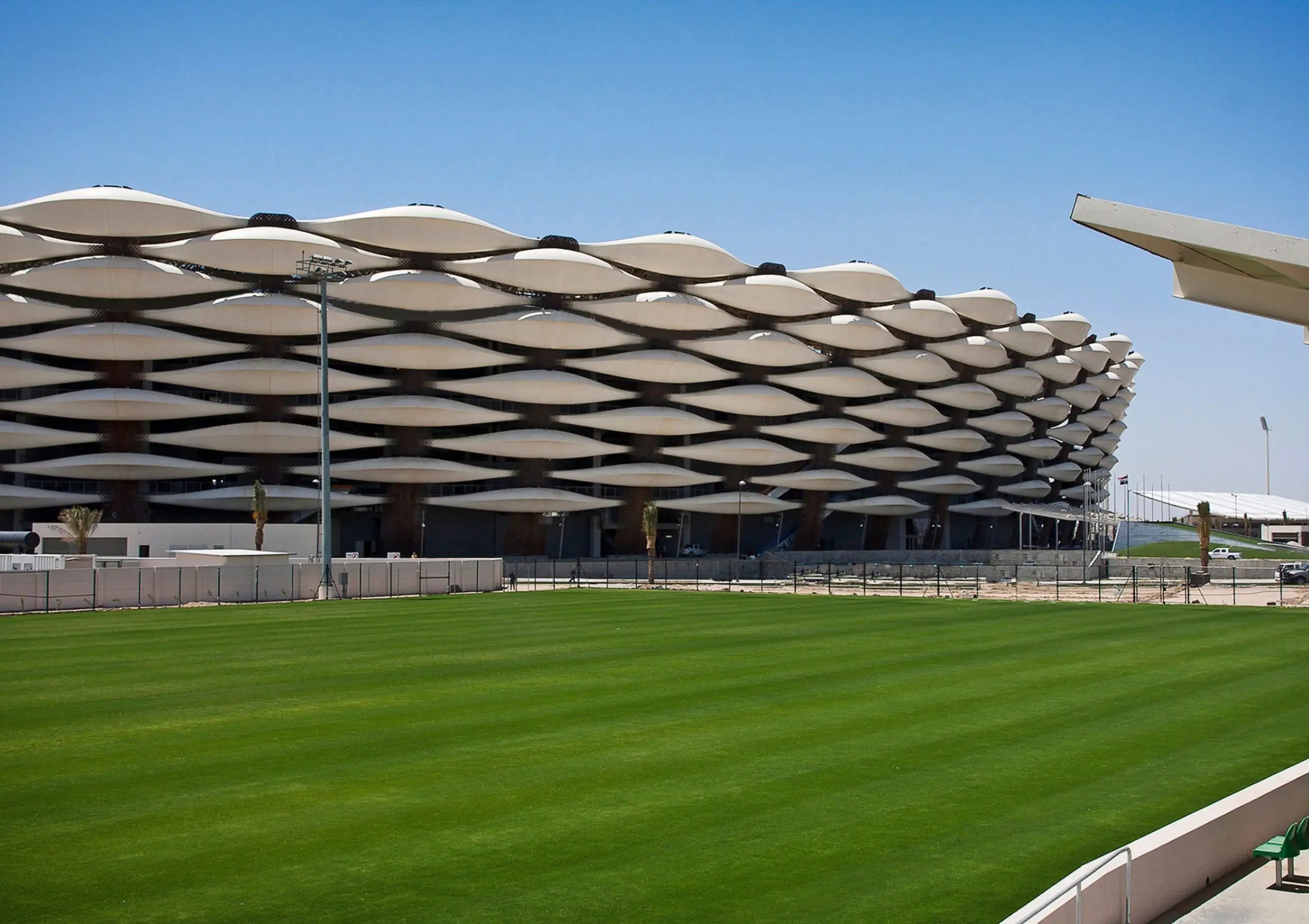
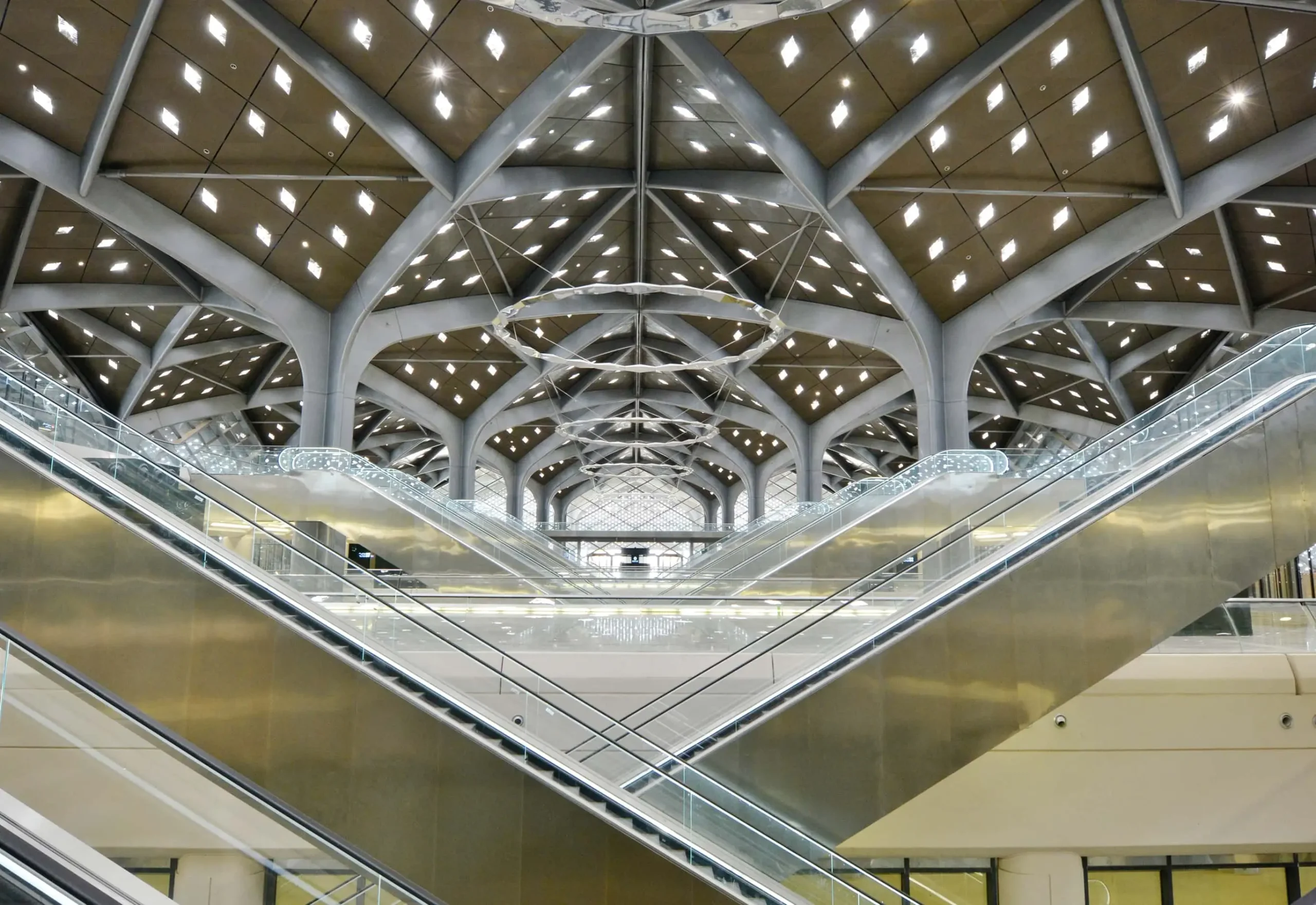
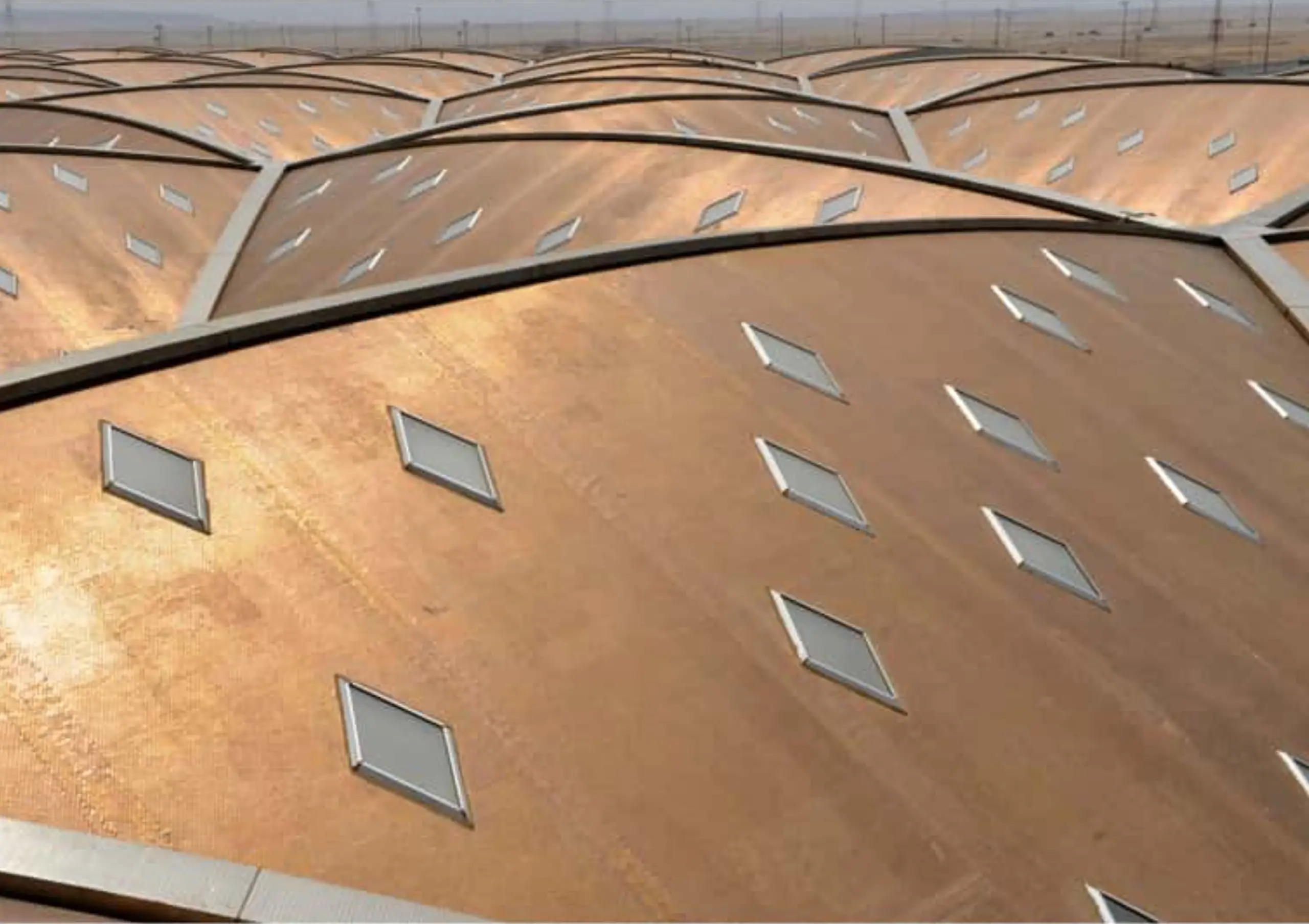
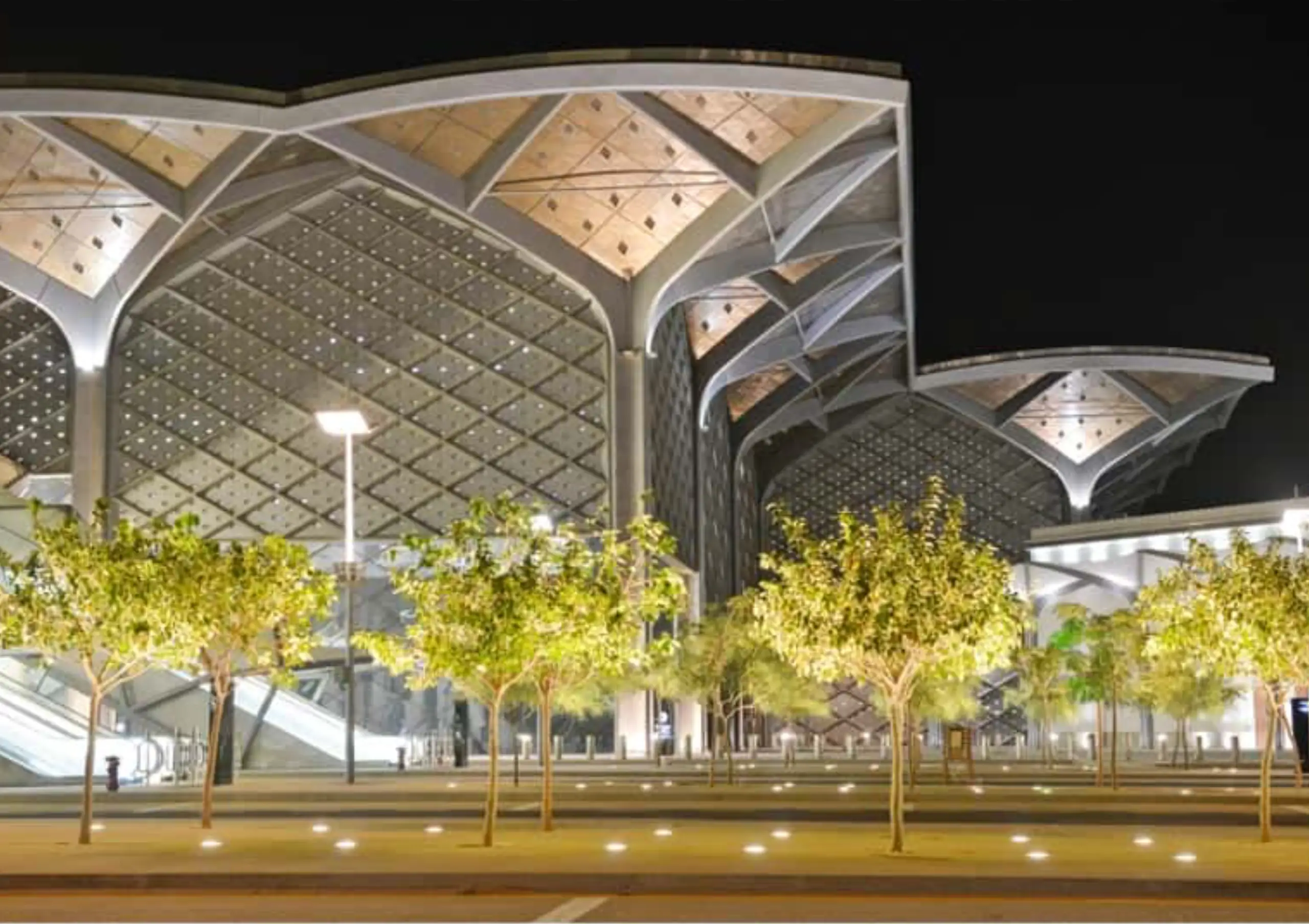
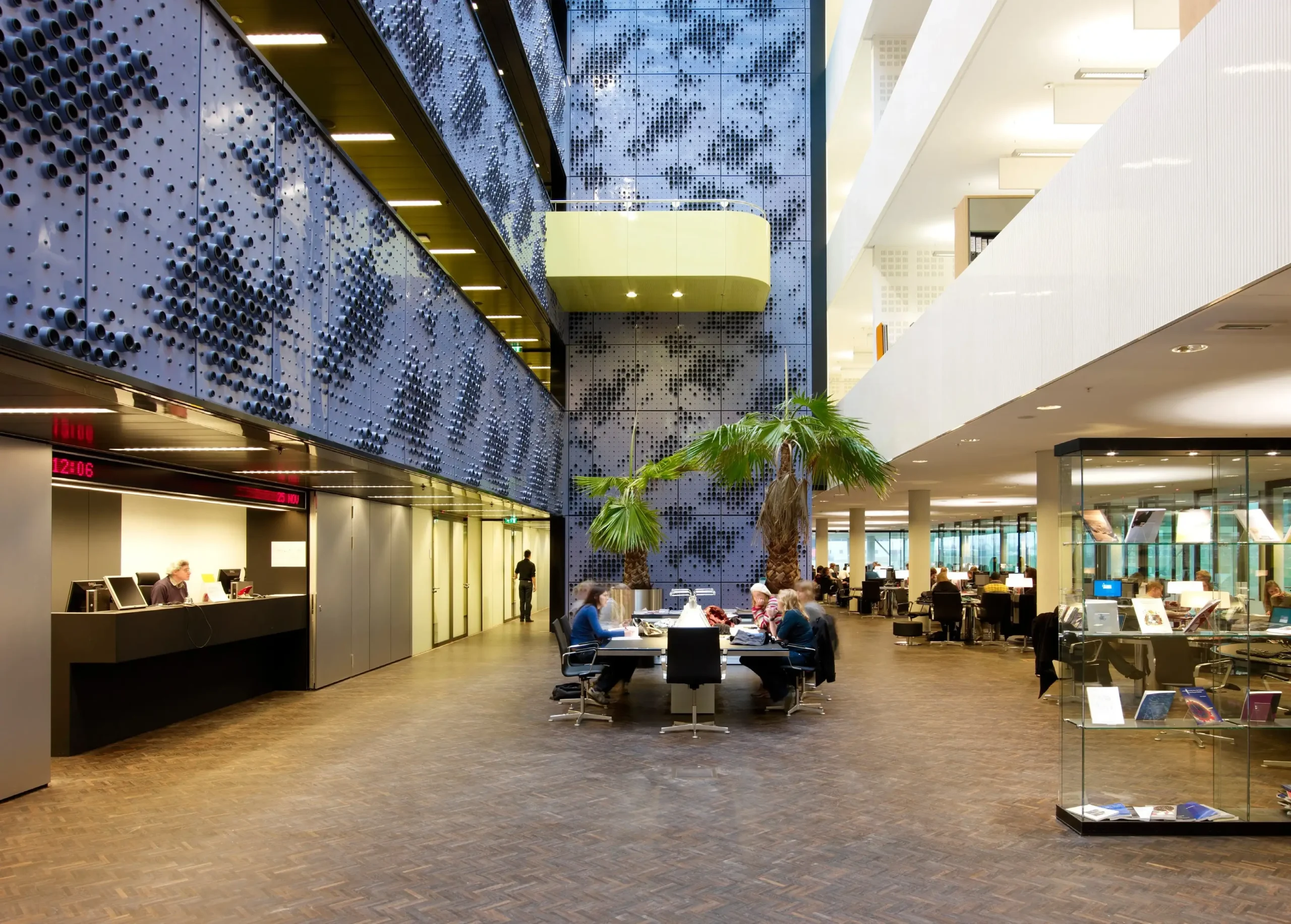
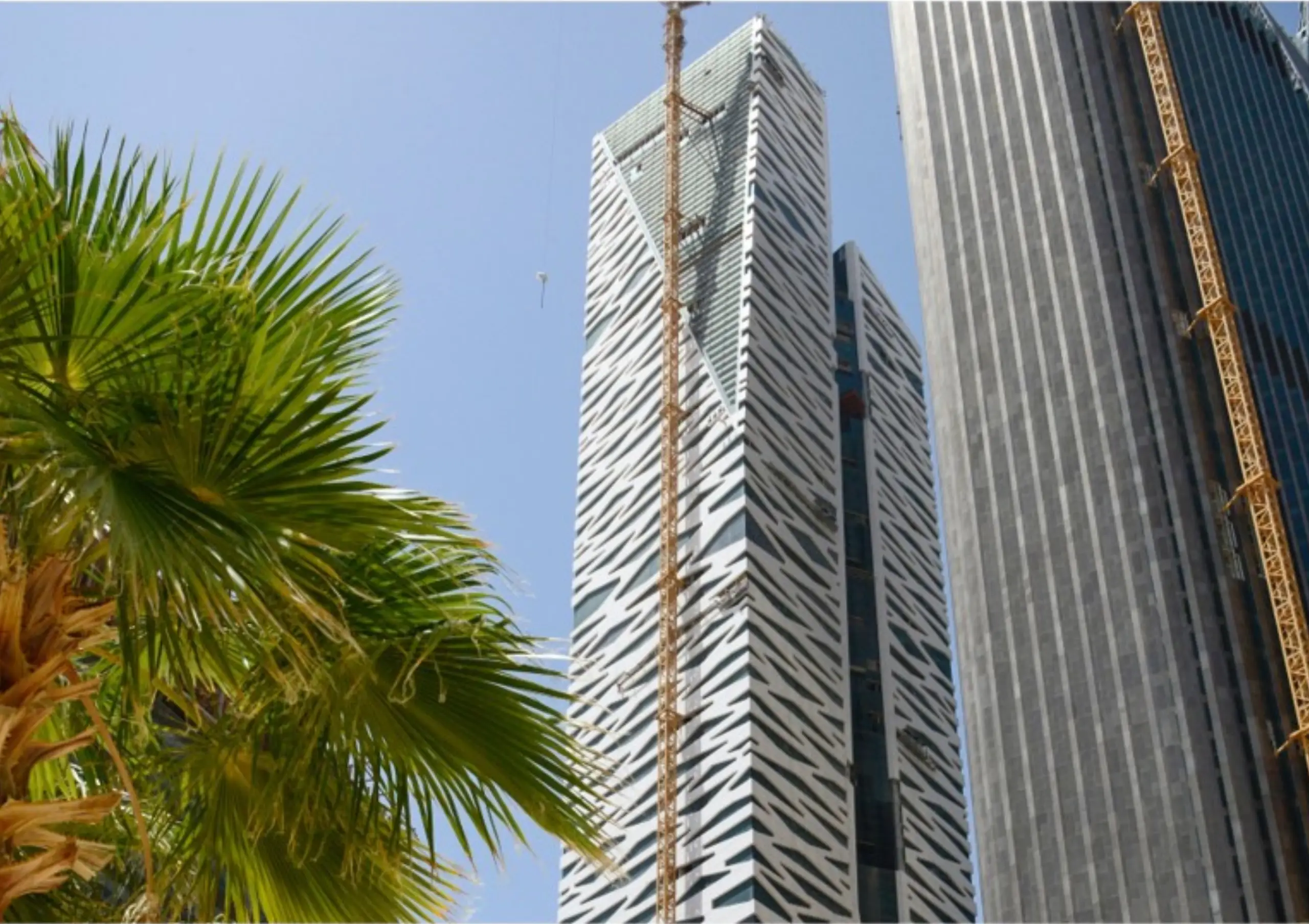
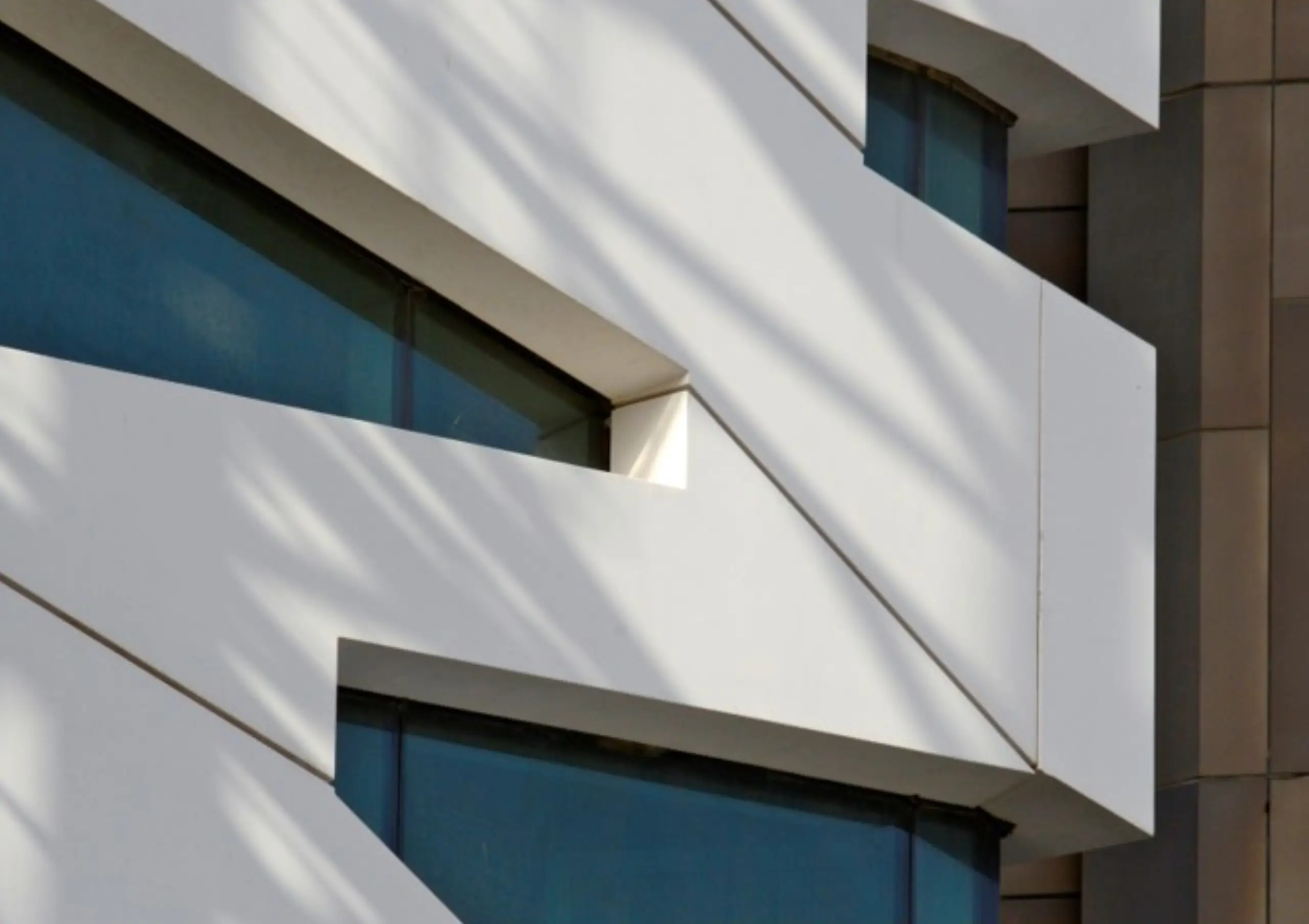
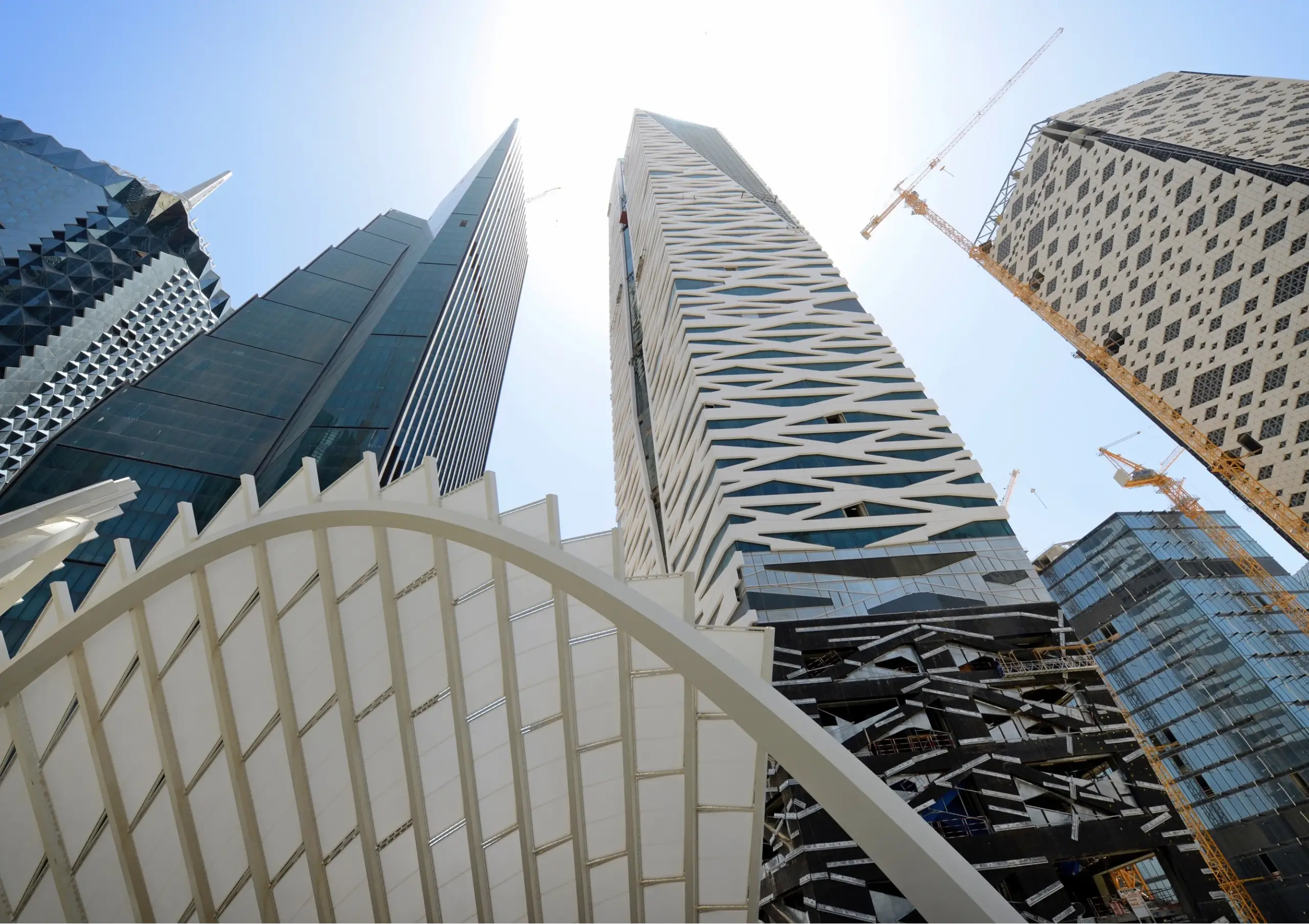
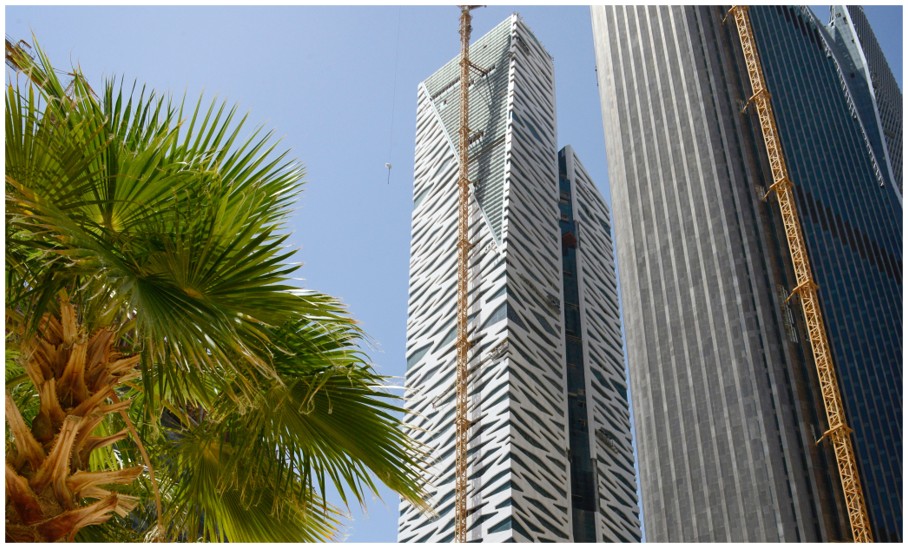
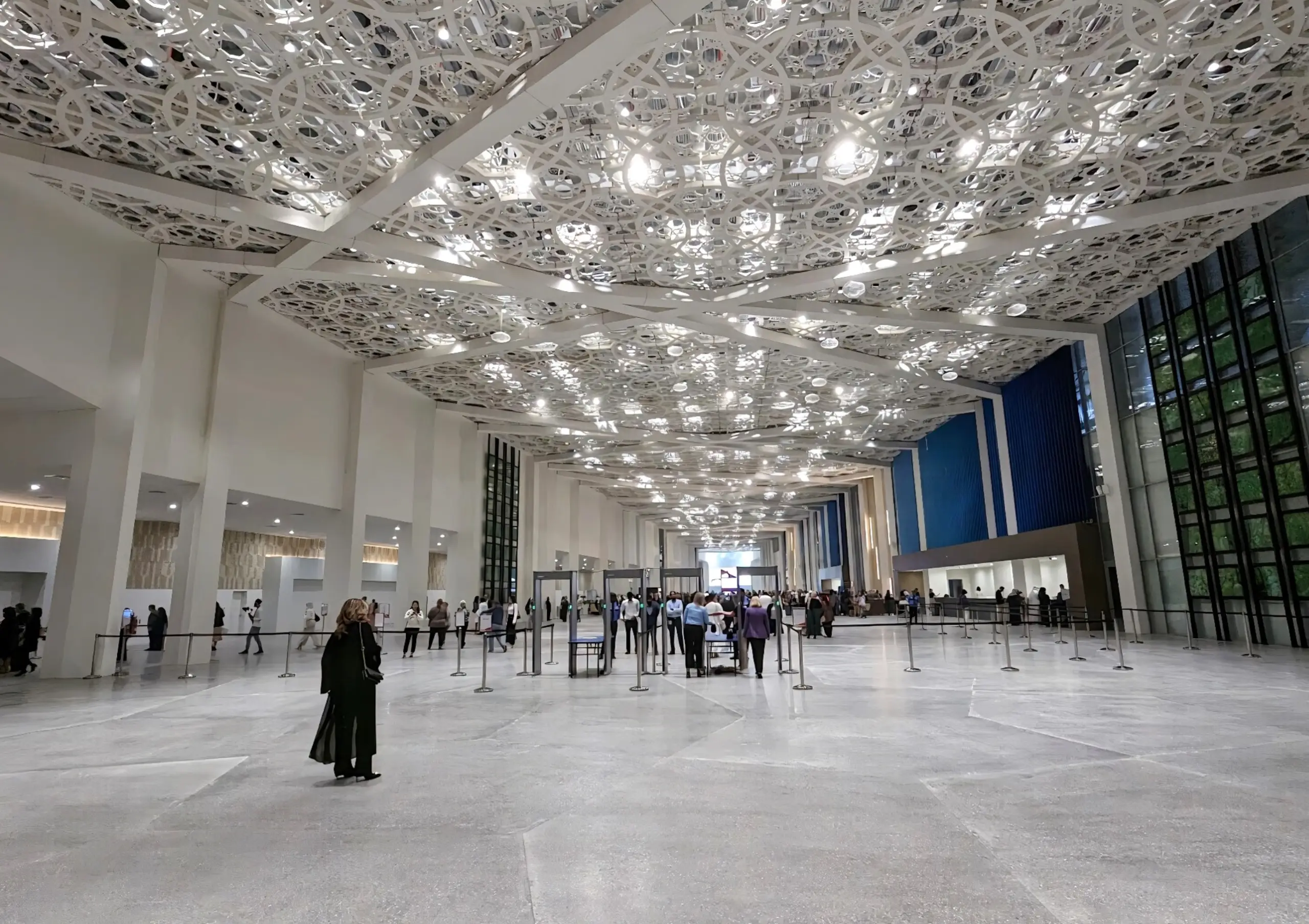
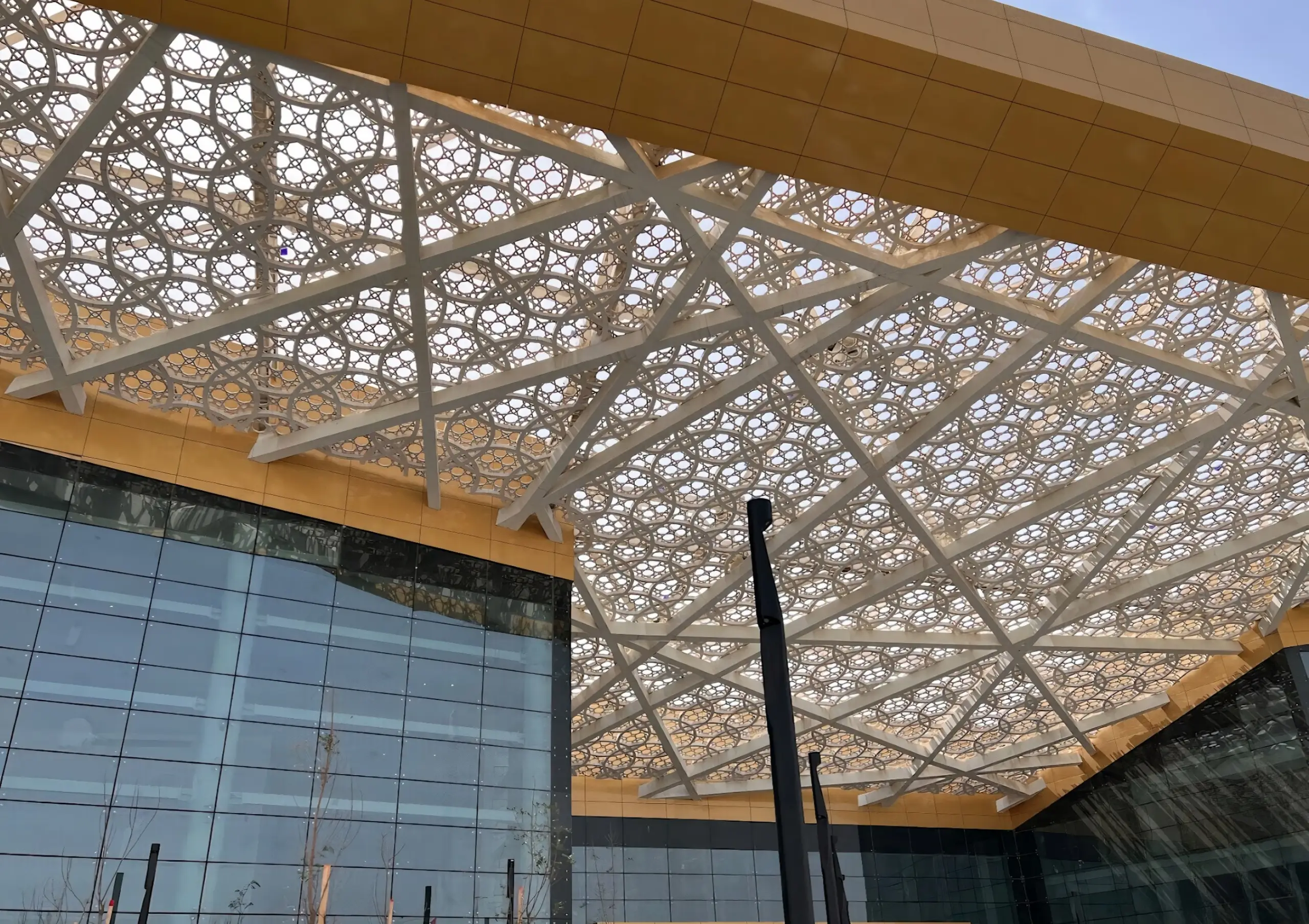
The Haramain High Speed Railway (HHR) is a visionary infrastructure project in the heart of the Saudi Arabia, linking the ancient cities of Makkah, Medina and Jeddah and the ambitious new King Abdullah Economic City (KAEC). Imagined as gateways to each city, the network’s four landmark stations are destinations in themselves: rich in places to connect, meet and shop.
On the HHR project, Compeng was engaged
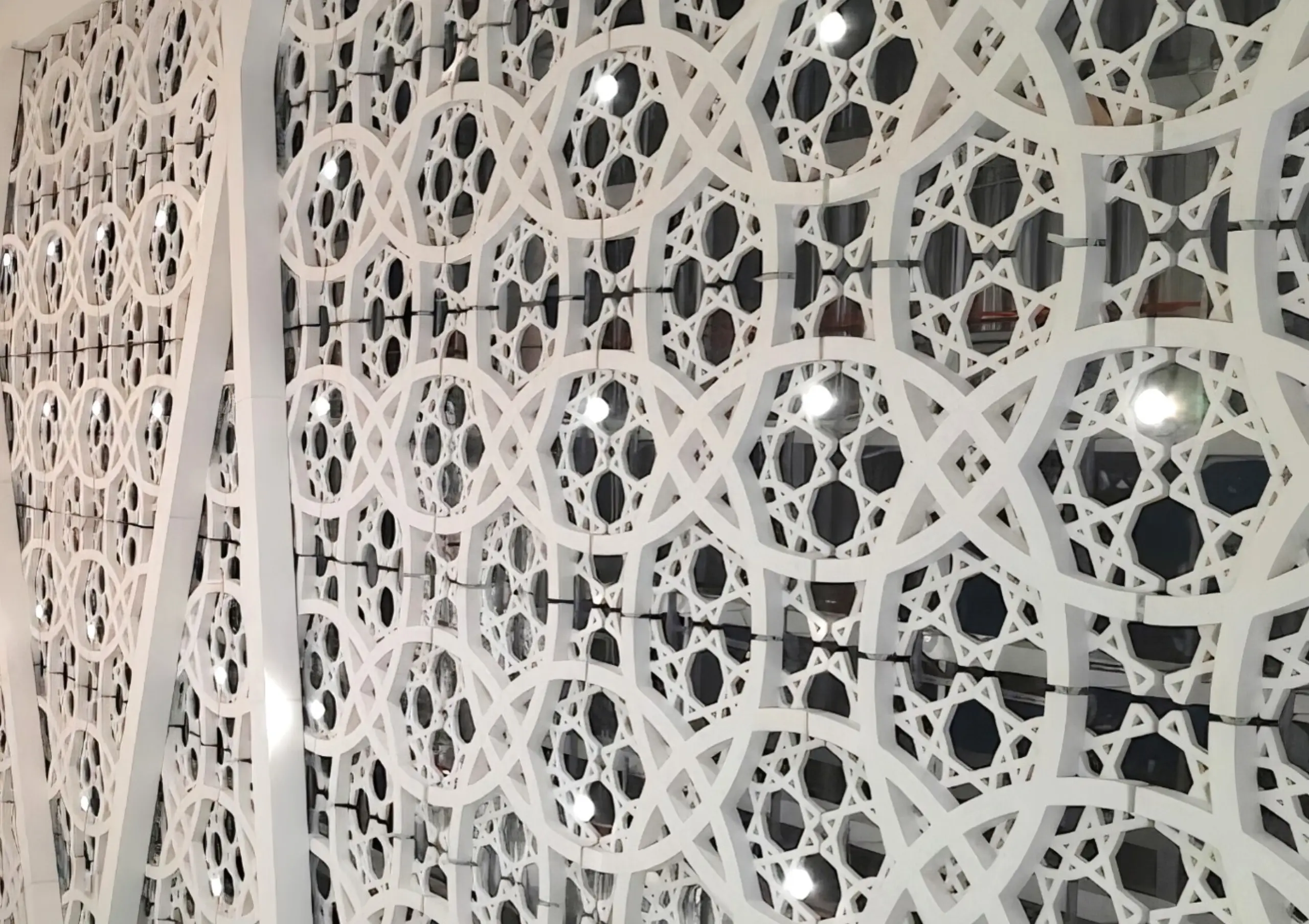
or critical composites engineering work on KAEC Station Primary roof. KAEC was a massive project with 36,000 m2 (Approximately 387,000 Ft2) of primary structural roof of the showcase train station. By global standards in 2012, this was unusually large project size for use of FRP / GRP composites as structural roof FRP / GRP composite elements of the projects.
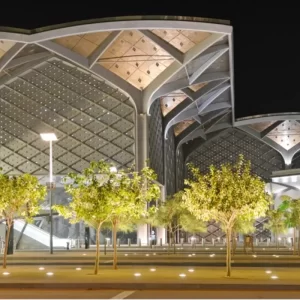
- 42 Modules each 27 x 27 m (89 x 89 ft)
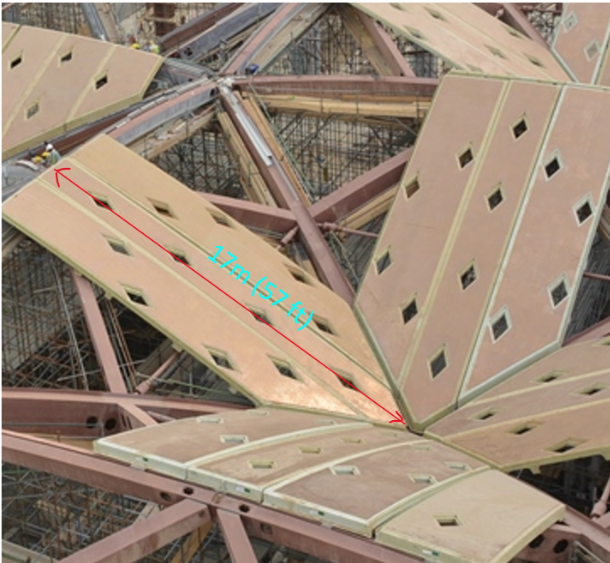
- Max span17 m (56’) monolithic
- U Value 0.022 W/m2°K
- (0.038 BTU/(hr·ft²·°F))
- Installed in 2 days per quadrant.
- (100 m2 / 1080 ft2 per day)
We innovatively designed the panels with a mix of materials and efficient methods of manufacturing to meet all the requirements of the roof in a single monolithic panel. The unique thing about our innovation was that the monolithic panel served multiple functions, i.e. waterproof roof assembly made of structural panels that spanned upto 17m (56 Ft), provided the natural light to the station and provided thermal insulation to the station. In absence of his innovative approach, the roof would have had several separate products assembled, making the roof extremely complex to maintain with several joints and very high risk of assembly failures.
Primary structural FRP / GRP composite roofs designed for 2.5 to 4.5 kPa loads typically span between 12 to 17 m. The monolithic structural FRP / GRP roof panels, weigh between 35 to 45 kg/m². This weight also includes integrated insulation, such that the roof build up gives a U Value of 0.022 W/m2K. The engineers who struggle every day with integration challenges of legacy roof which is a stack of several separate materials and managing tolerances of each layer, can immediately see the great advantage of the large monolithic panels giving complete solutions.
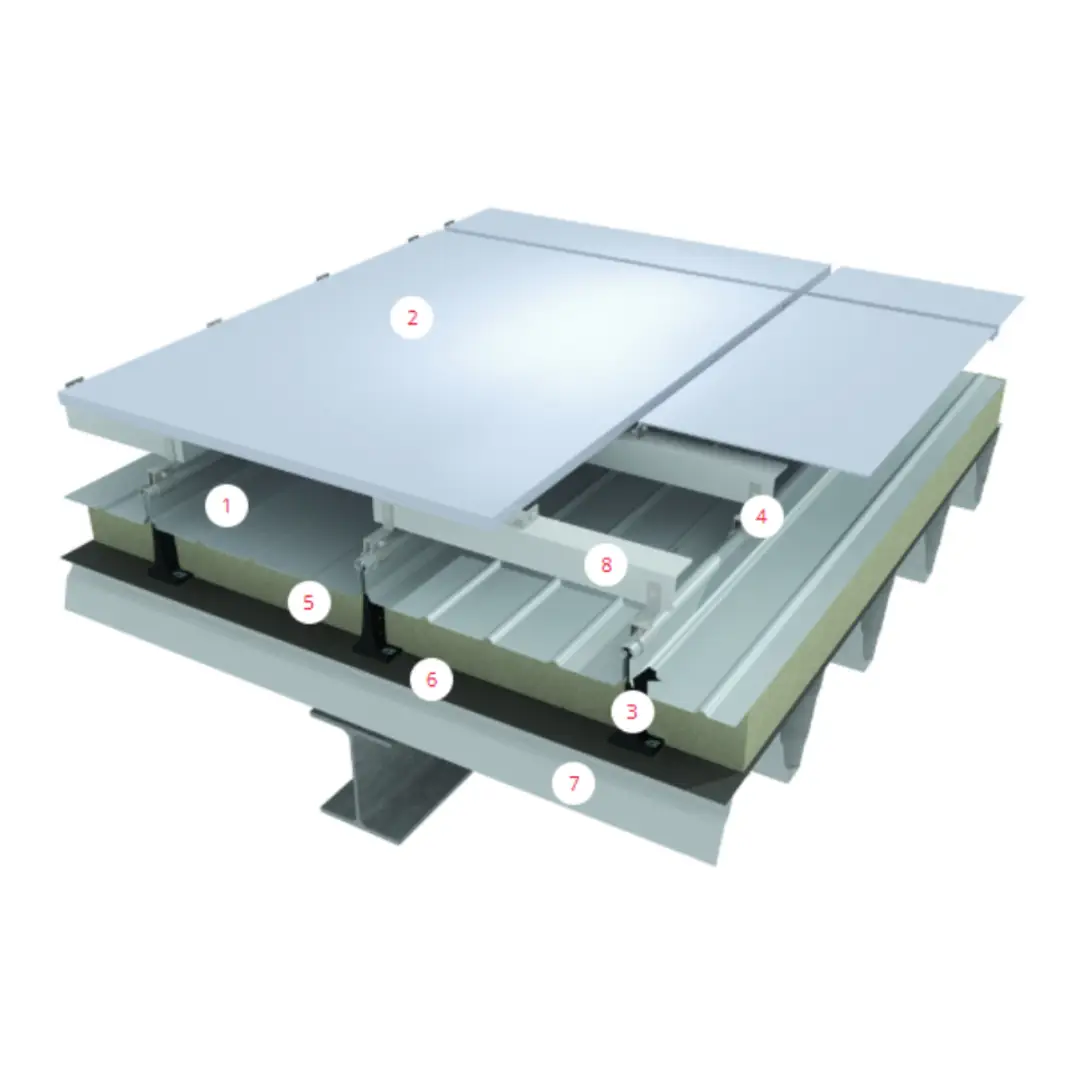
Legacy Roof build up has 8 different layers assembled
Our innovative factory produced Monolithic FRP / GRP Panels perform all the functions of the 8 layers without any assemblage other than fitting the monolithic panel onto the support beams.
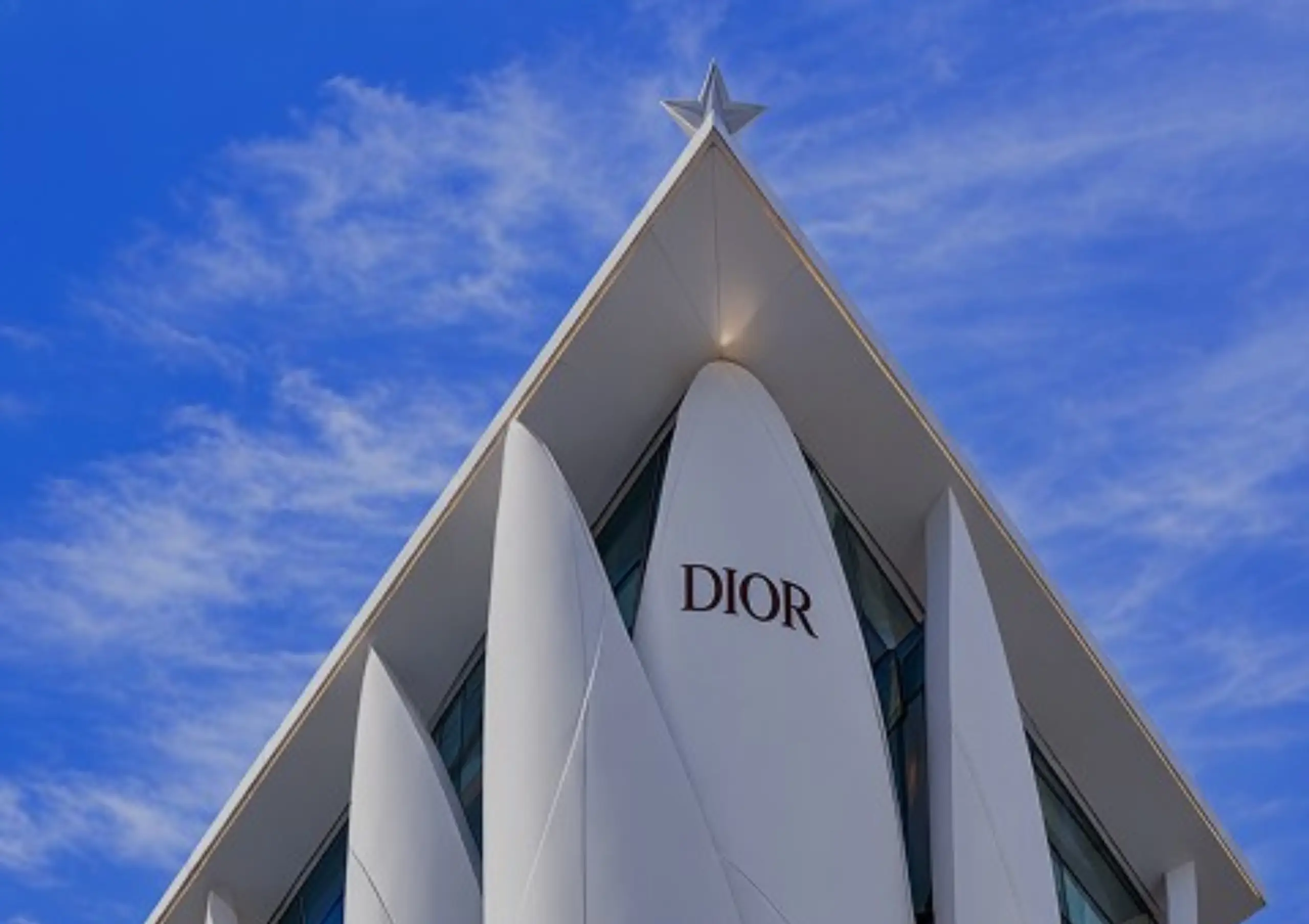
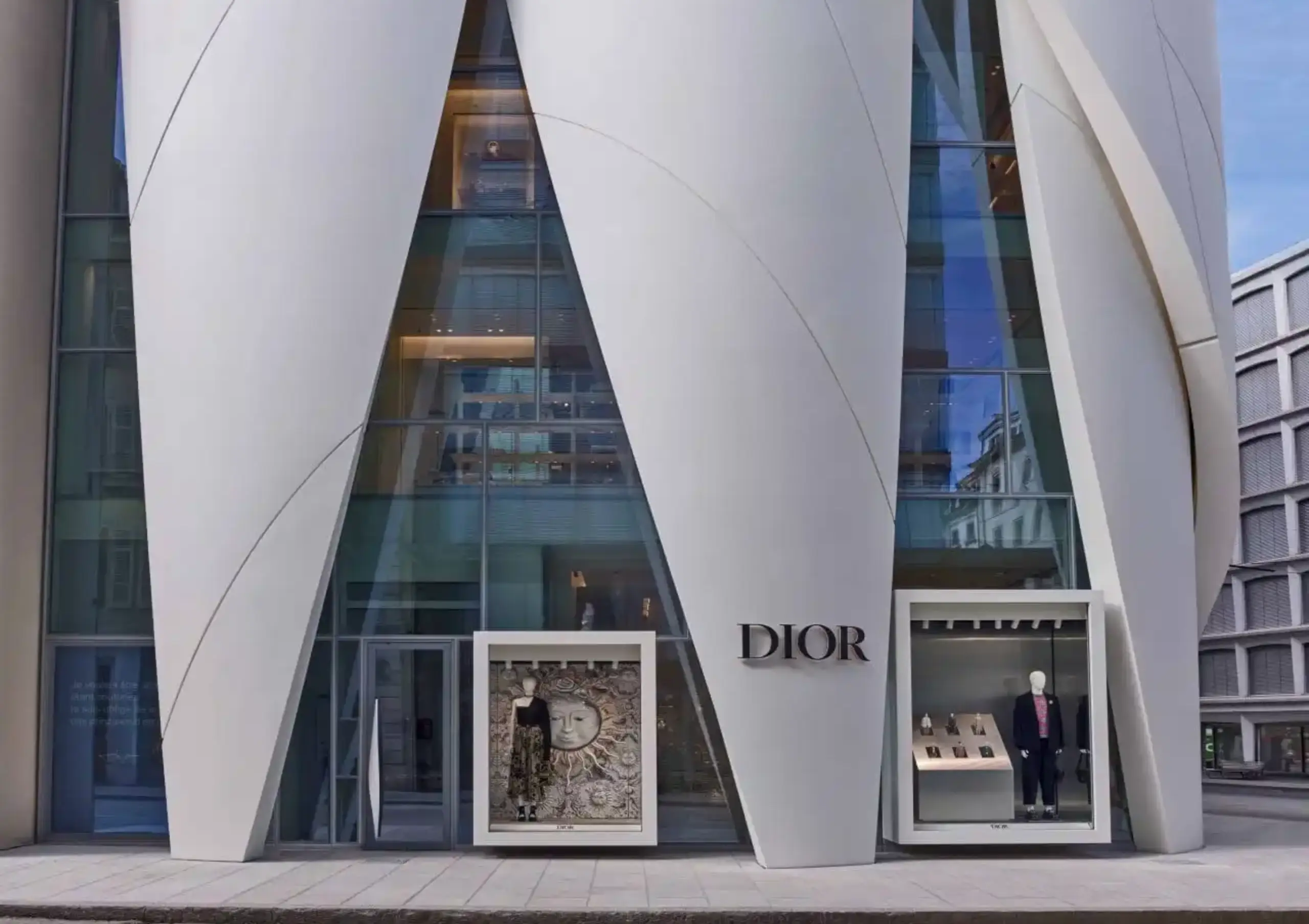
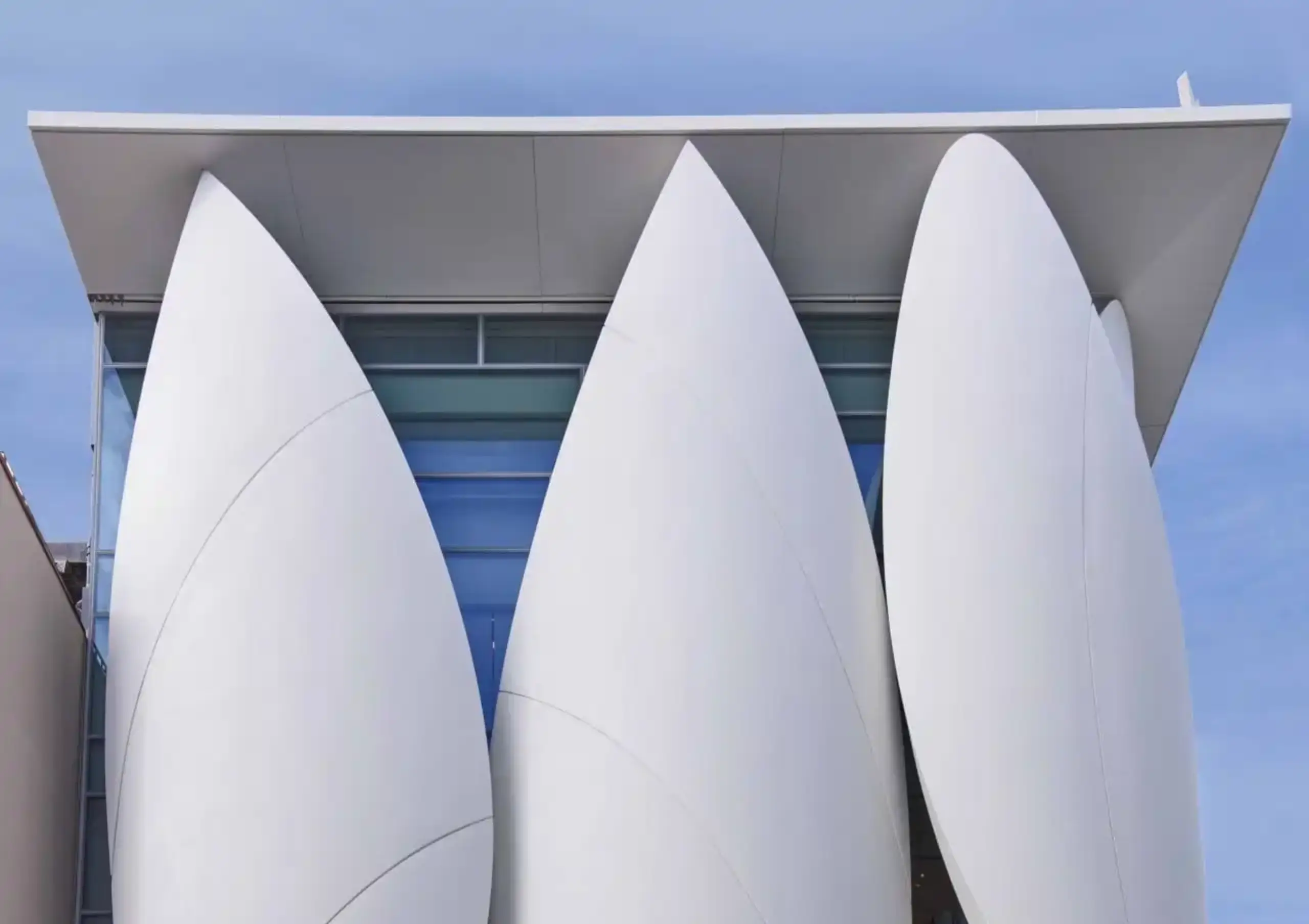
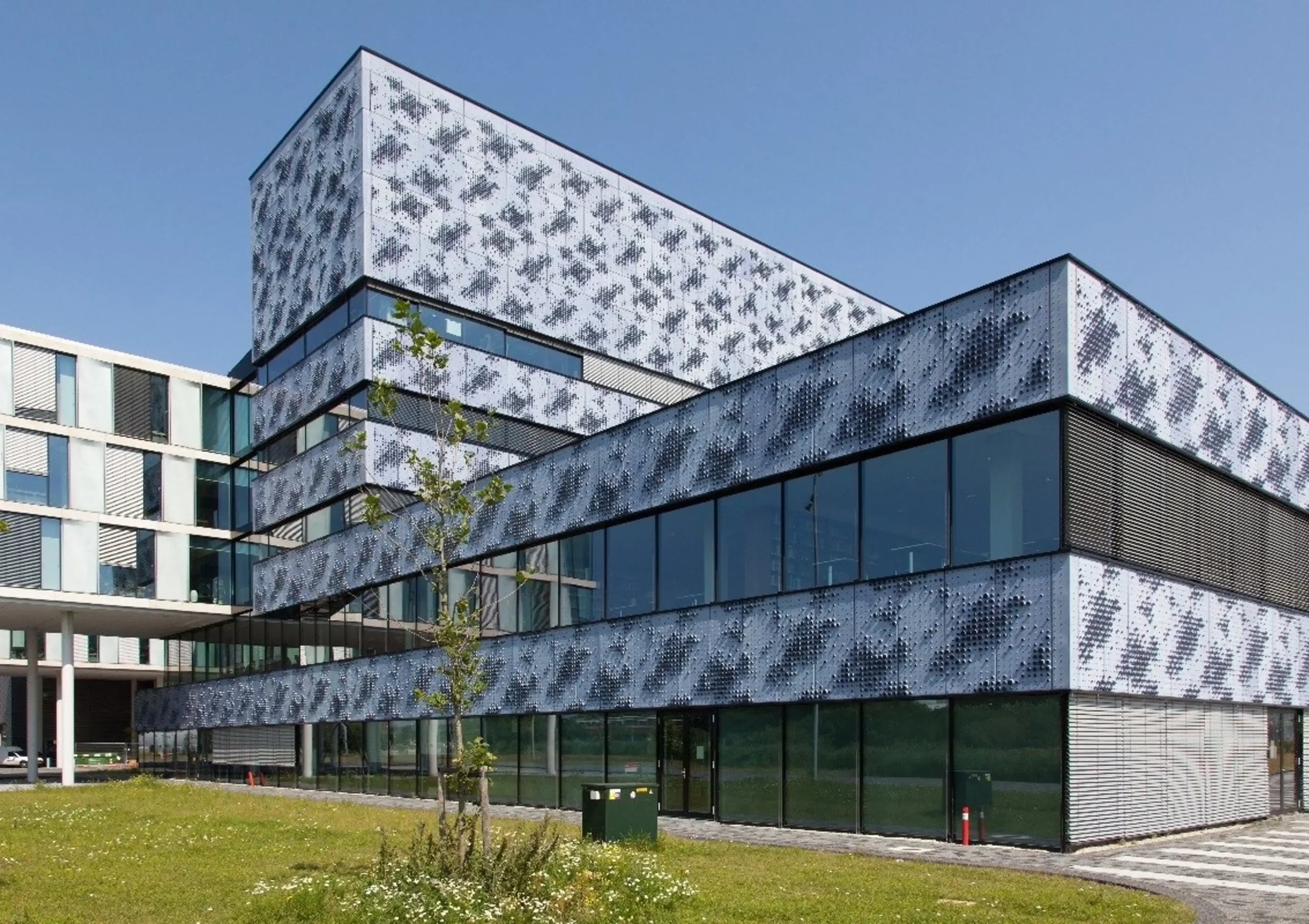
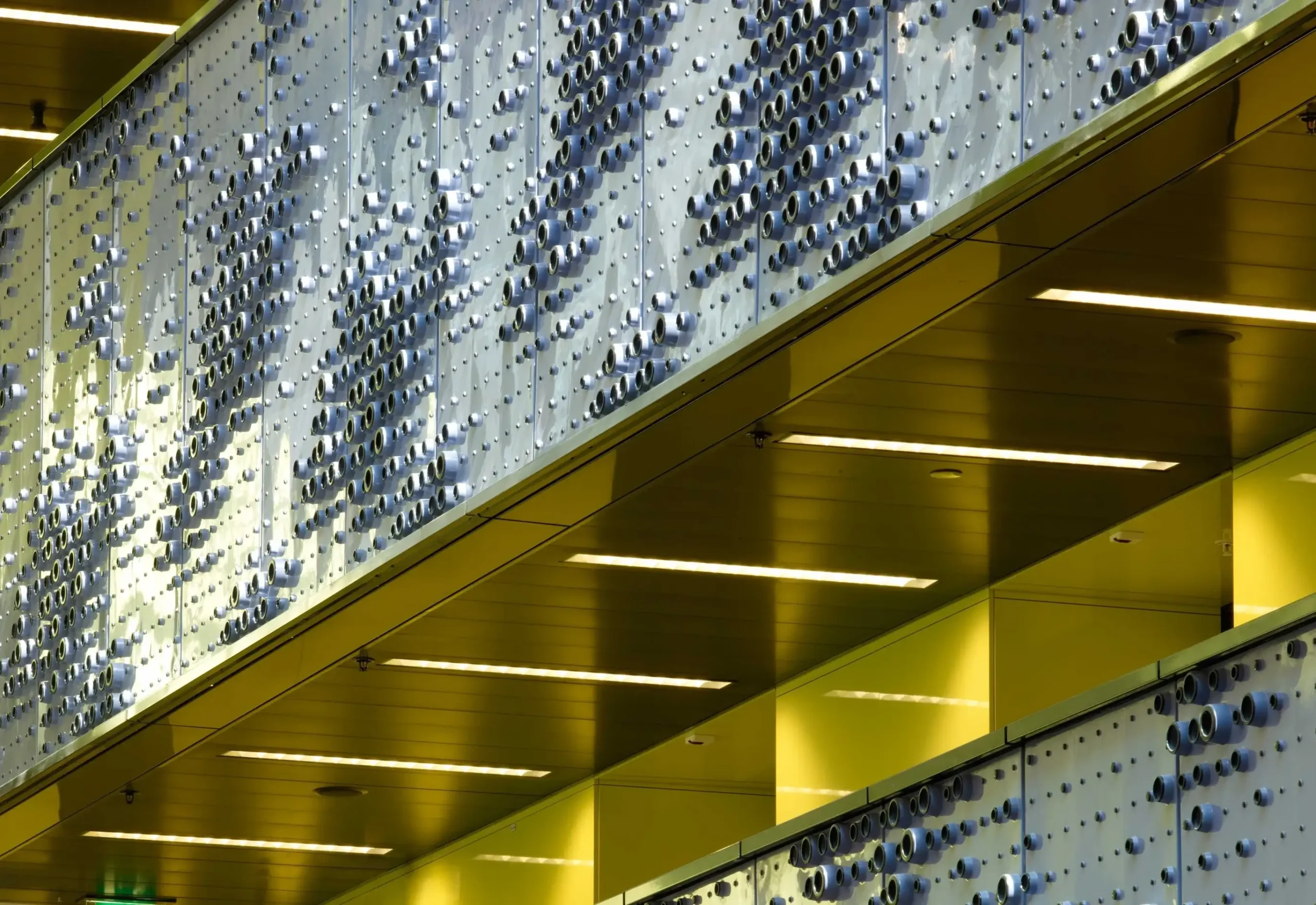
House of Dior appointed Architects – Christian de Portzamparc to design their flagship store in the heart of Geneva fashion area. The prestigious project had 6 large features that defined the architects vision. Compeng was engaged by BFG to design and engineer the feature in innovative FRP / GRP Composites.
One of the key advantages our design offered to the contractor was our innovative structural design of the FRP / GRP panels for the large façade elements called Petals. The tender design for the secondary steel structure would have been hugely costly and time consuming. We were able to use our experience and innovative engineering approach to provide a unique solution enabling the FRP / GRP panels to be supported directly on the building floor slabs, eliminating the substructure entirely. This resulted in a reduction of cost, and installation of the scaffolding by 50%. In the absence of this innovation, the scaffolding would have been installed twice. First, for the installation of the substructure and then again for the installation of the panels in front of the substructure. Our innovative method enabled the contractor to save time and money on its critical project.
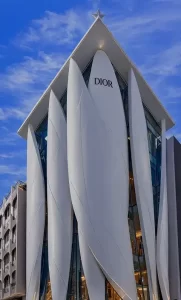
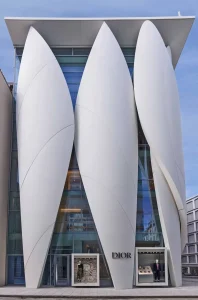
Dior Flagship – Geneva 2022
Key features offered by composites:
- Durability
- Low Profile with 3D structural forms
- Tight tolerances
- Attractive Cost
- Full Fire compliance (EN13501)
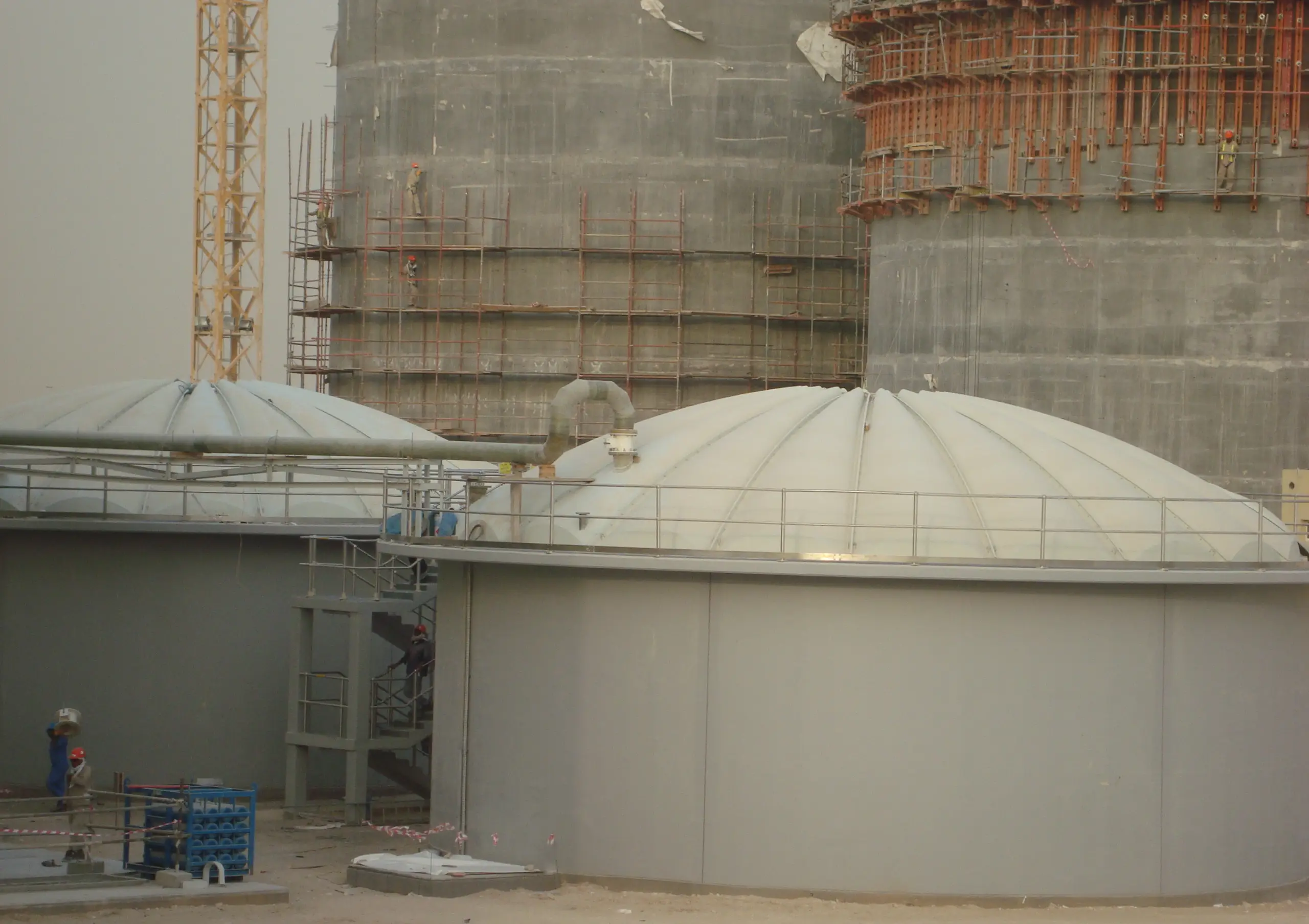
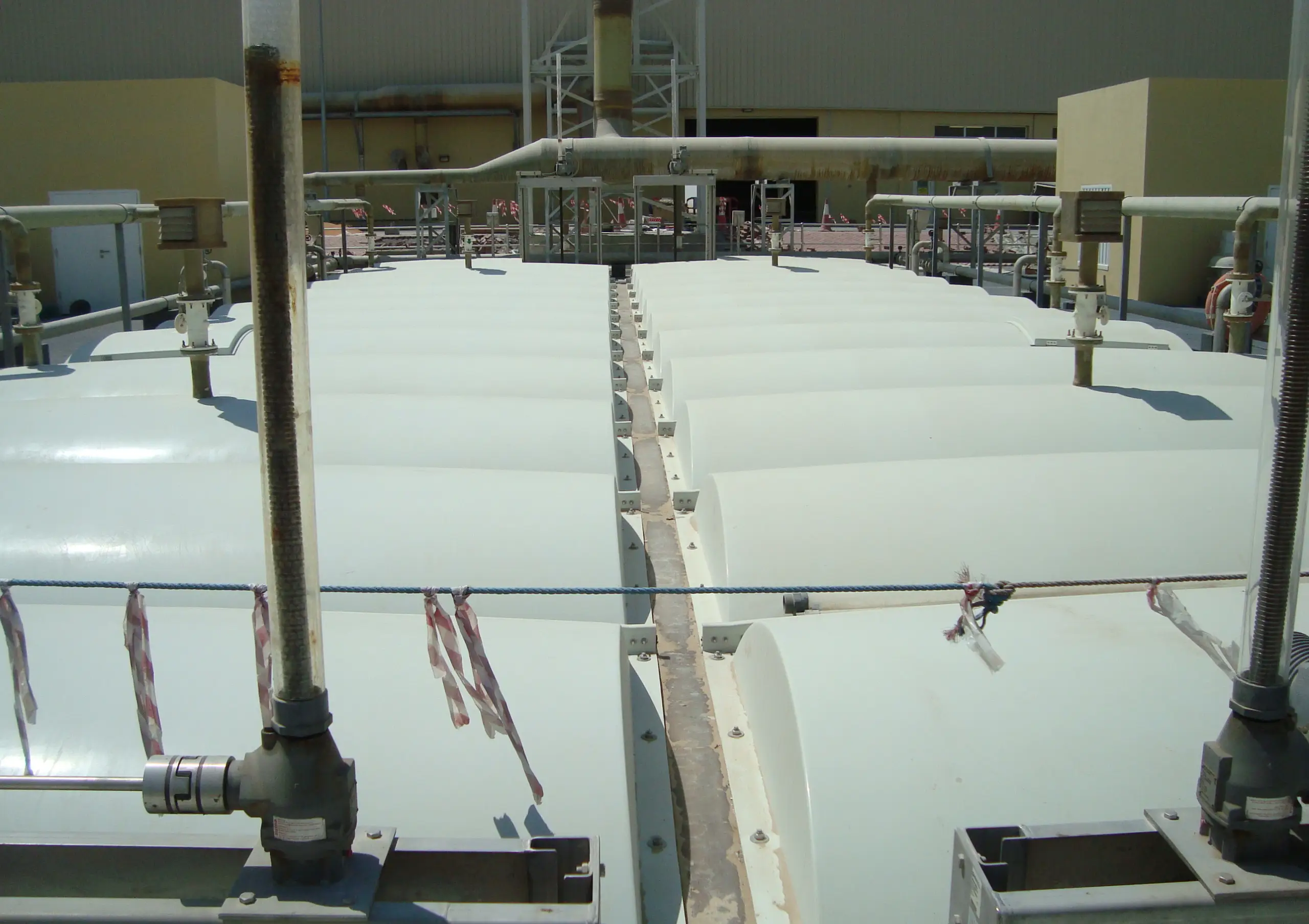
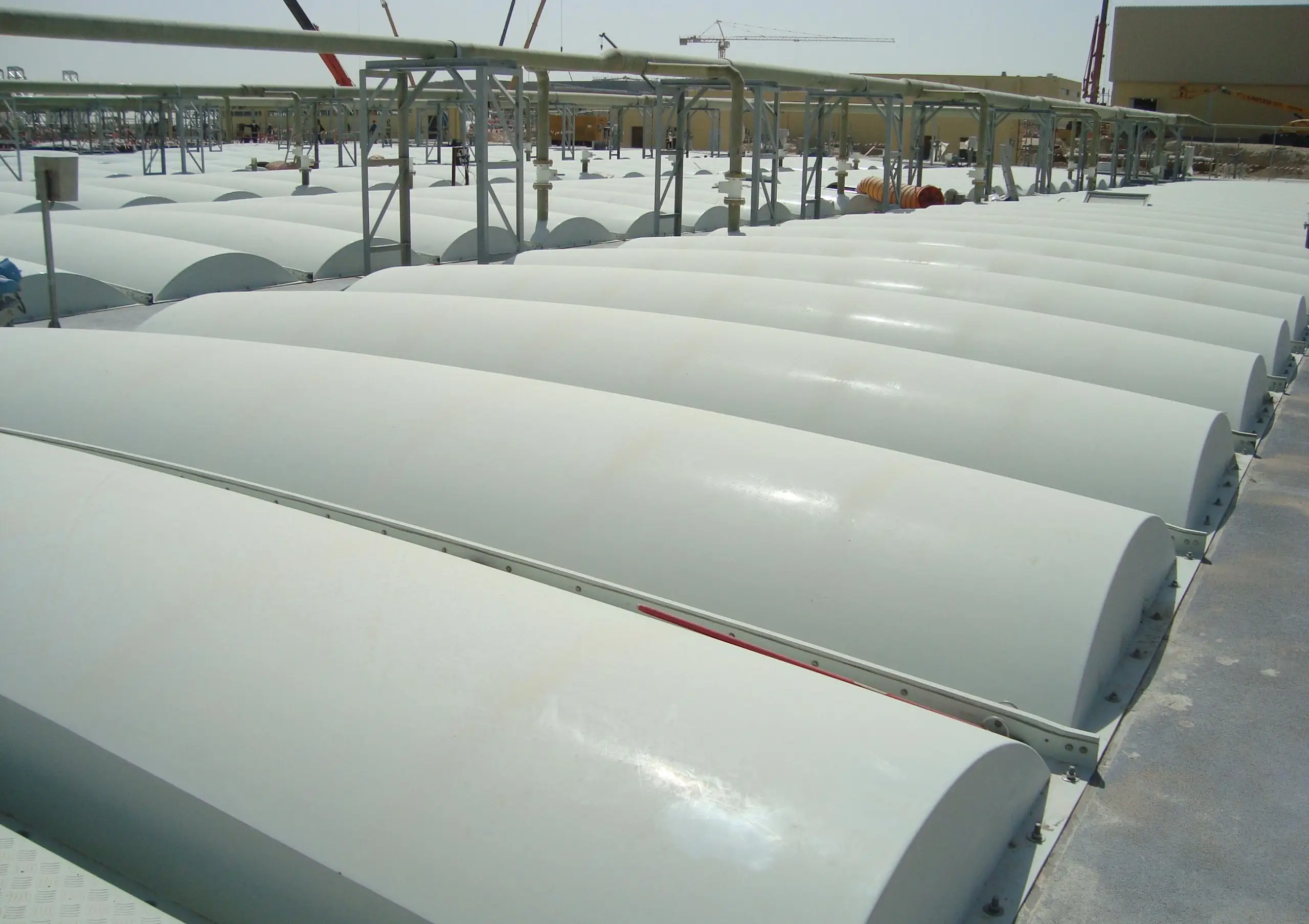
Comprehensive Composite Solutions for Water and Wastewater containment Applications
Total Corrosion Resistance: FRP / GRP Composites are completely free of corrosion. Hence assets are not corrosion protected but corrosion free.
Hence virtually zero maintenance cost, as there is no repetitive application of anti-corrosion coatings needed.
The FRP / GRP elements can be designed to sustain temperatures from -10 to +220 ° C. Special resin systems can offer even higher temperature resistance in the range of 400+ °C.
FRP / GRP provide Vandal resistance assets against impact damages and graffiti.
Modern FRP / GRP are designed to comply to relevant national and regional fire standards.
FRP / GRP are moulded as monolithic large structural elements, avoiding joint leakages and hence very low downtime.
Moulded smooth surfaces ensure very low friction for efficient fluid flow in the FRP /GRP elements like Pipes and tanks, as well as channels and all complex shapes.
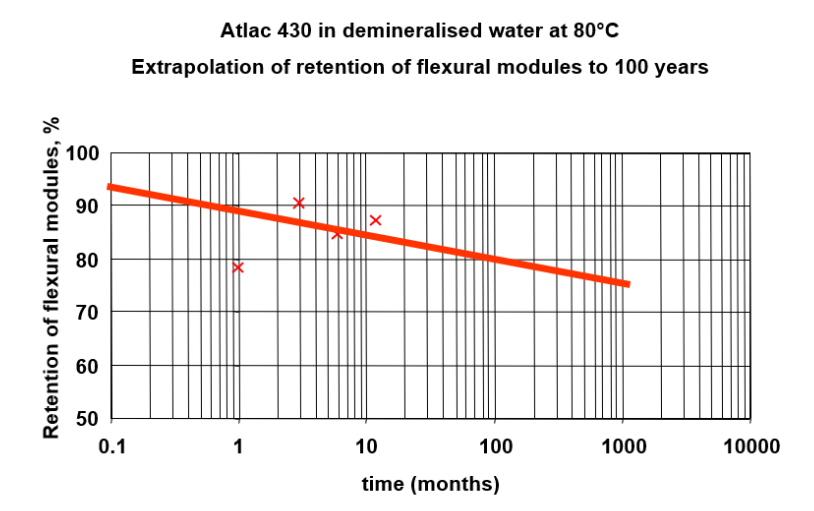
Durability and resilience of FRP / GRP elements in harsh environments and cyclic loading is well tested and proven by now. Accelerated tests show that after 100 years of service under demineralised water at 80°C, the property deterioration is well below the factors of safety deployed in design.
Ref: DSM resins, now part of AOC
Services provided by Compeng for the Water and Wastewater businesses with FRP / GRP:
- Strong Engineering support for marketing and business development.
- Mentoring and training for analysing the specifications and RFQ data
- Overview of engineering and experience based advise on optimisation of resin and reinforcement systems to comply with the structural and functional specifications.
- Guidance and training for systematic and traceable cost estimation to ensure reliable business decision making.
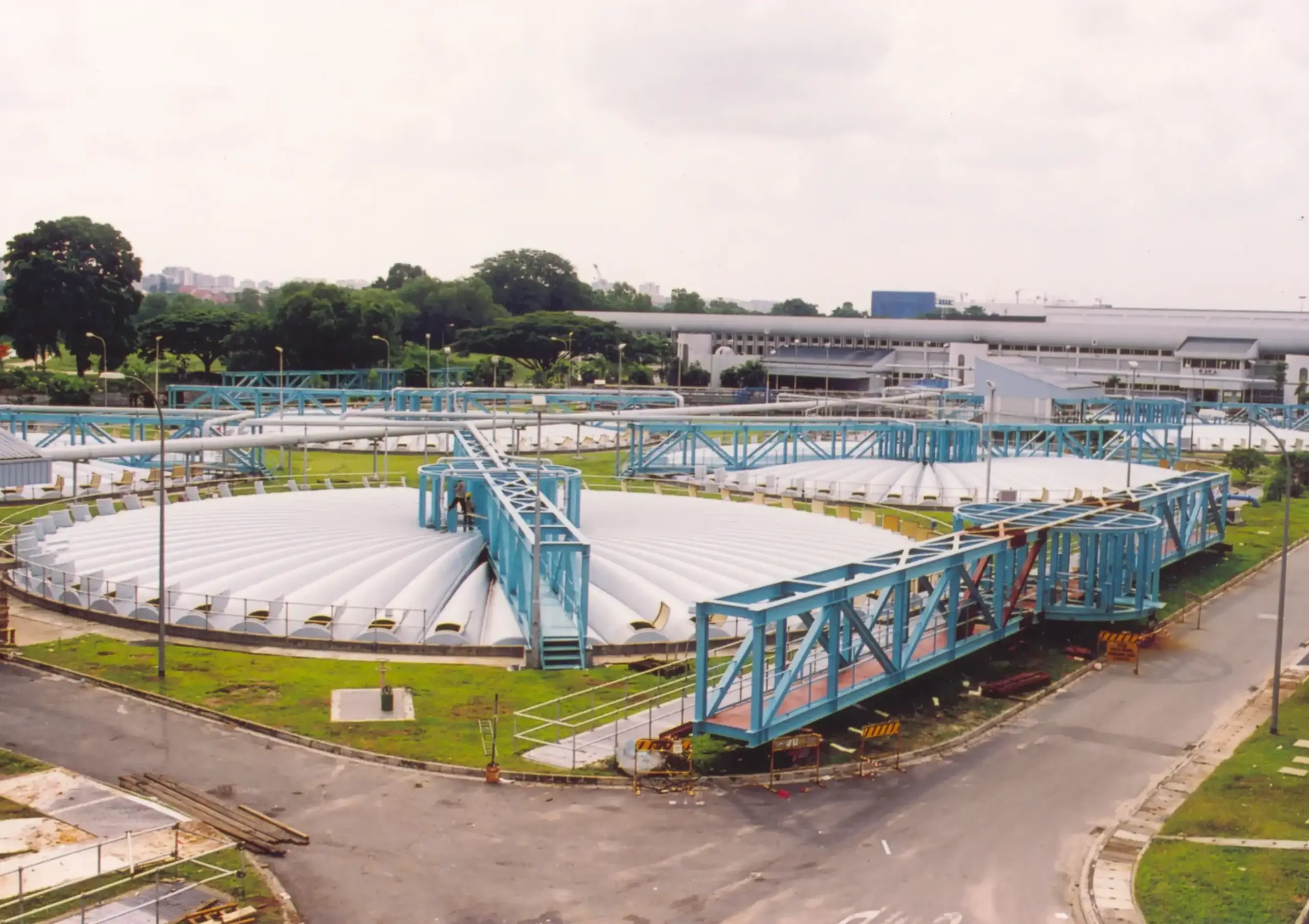
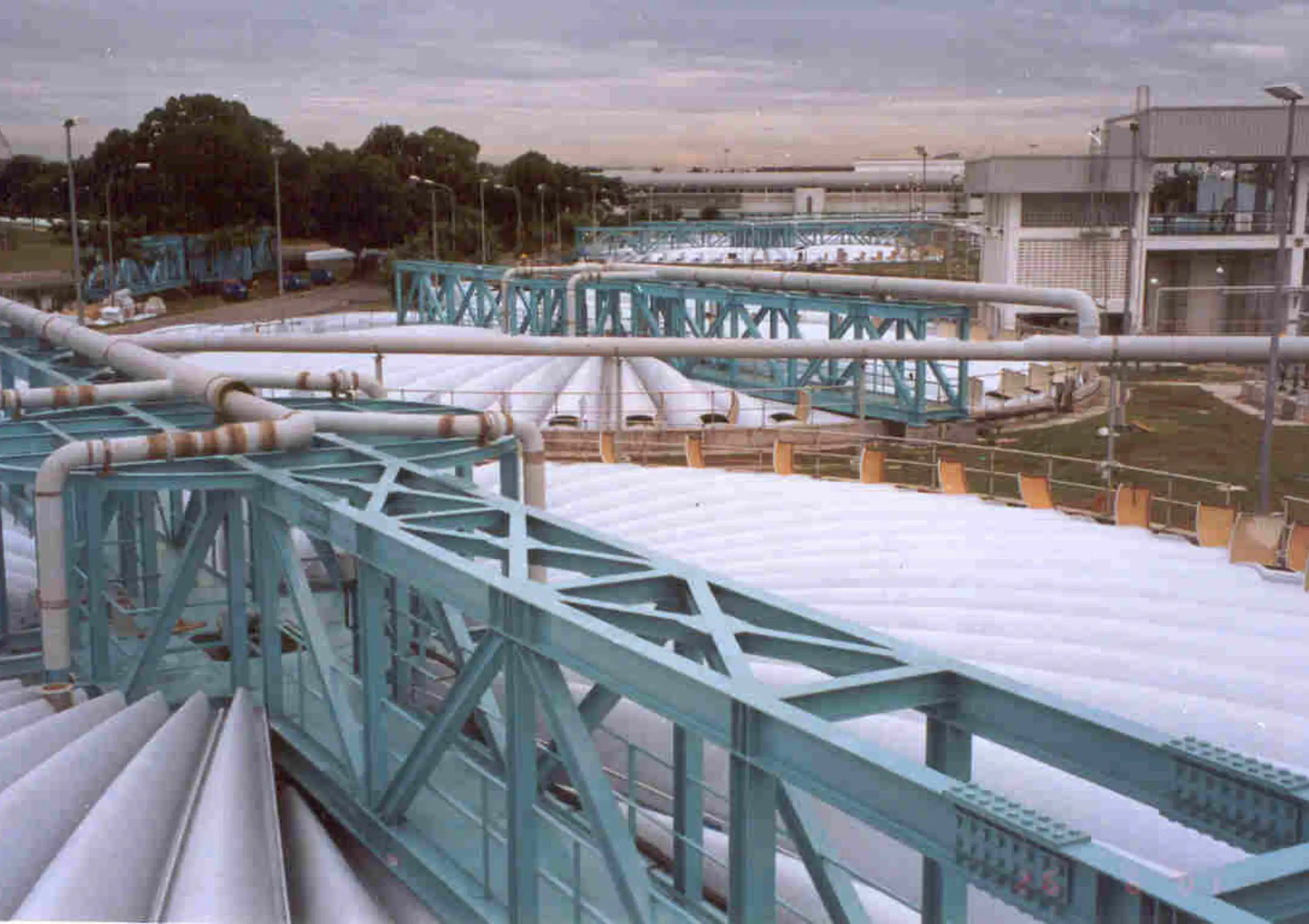
- Conducting customer and consultant training workshops with large number case studies from hands of experience of more than two decades and more than 45,000 m2 ( ~ 485,000 ft2) of structural FRP / GRP composite elements engineered and installed in harsh wastewater and wate treatment and storage plants in South east and Middle east.
Conducting customer and consultant training workshops with large number case studies from hands of experience of more than two decades and more than 45,000 m2 ( ~ 485,000 ft2) of structural FRP / GRP composite elements engineered and installed in harsh wastewater and wate treatment and storage plants in South east and Middle east.

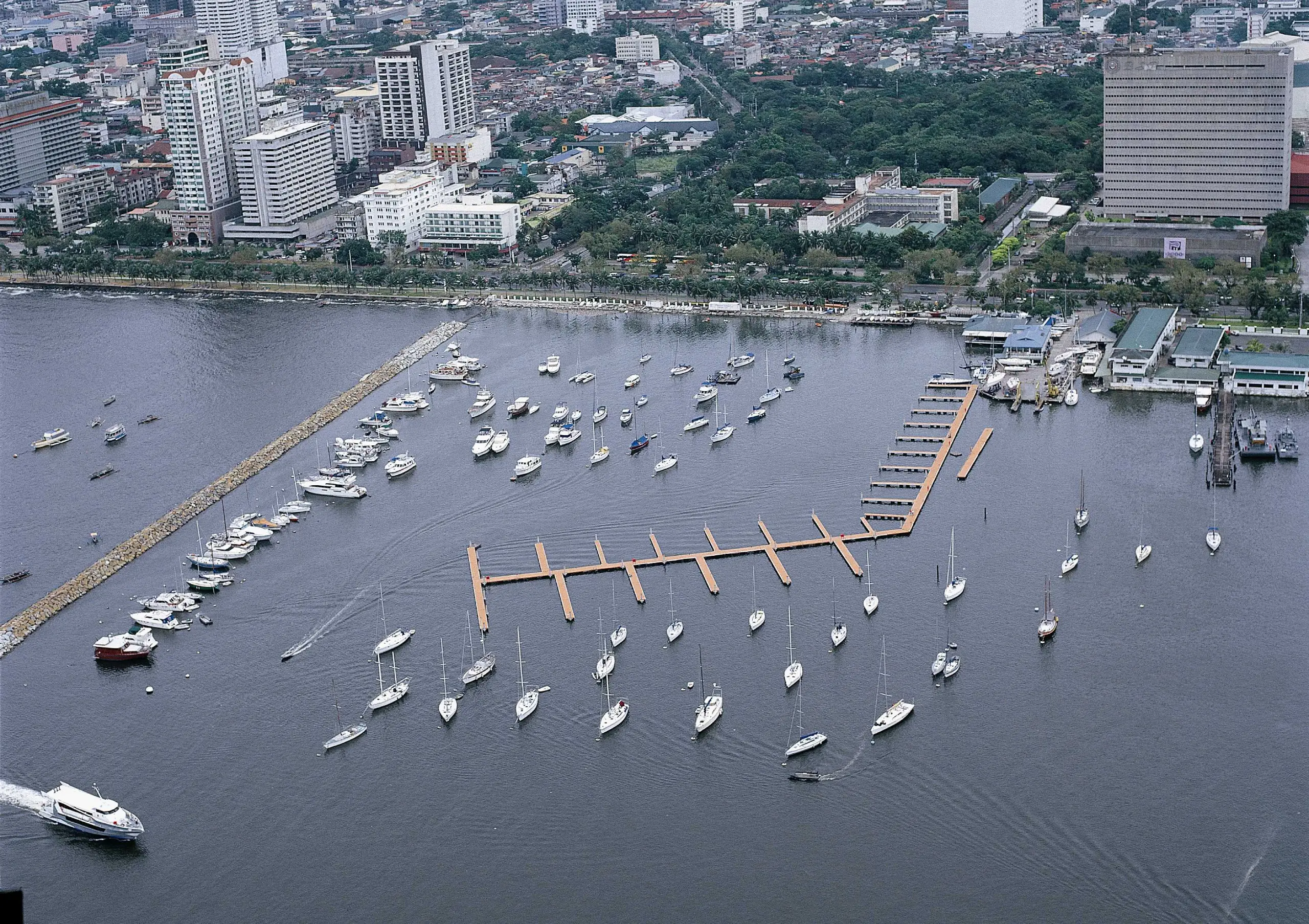
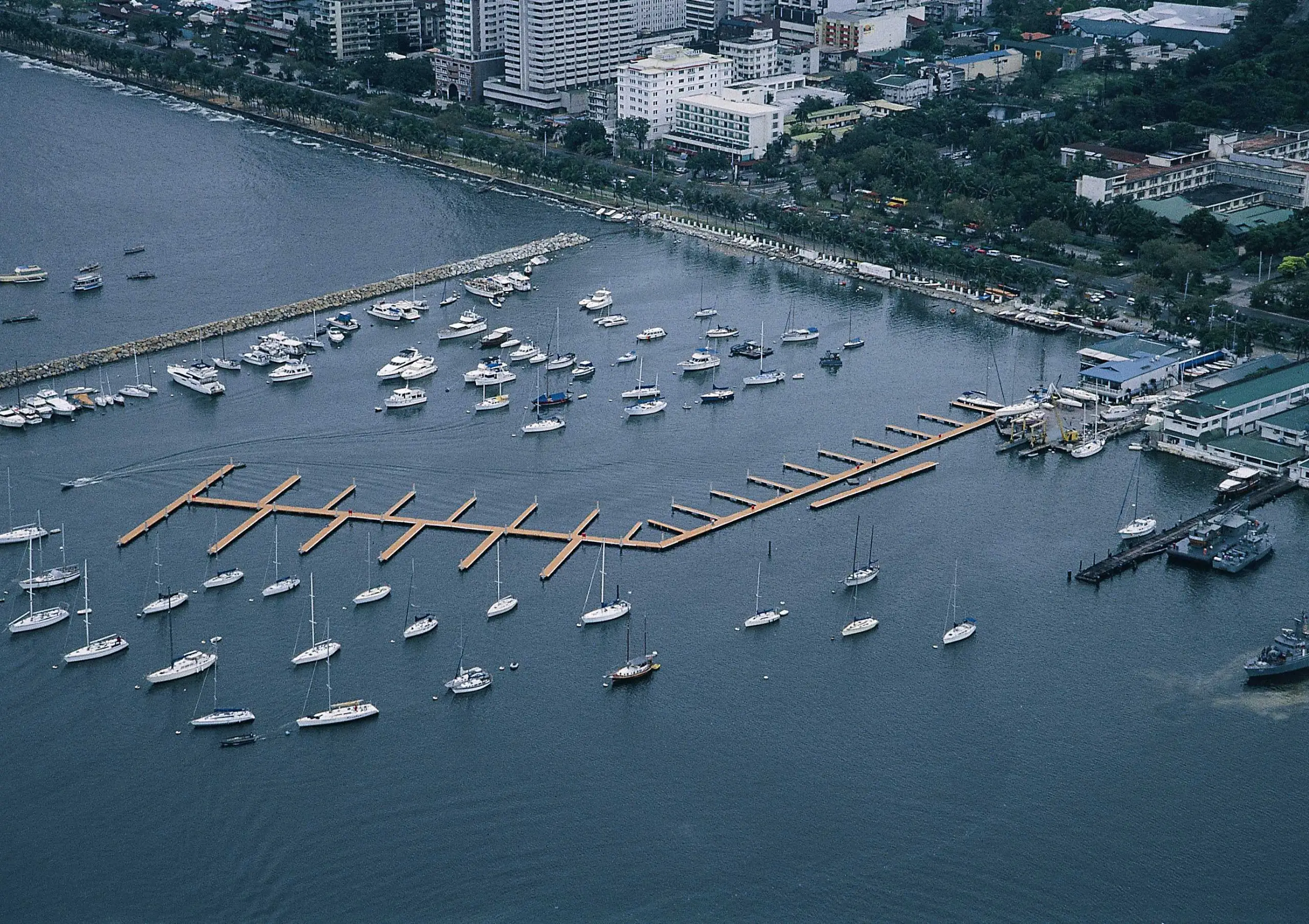
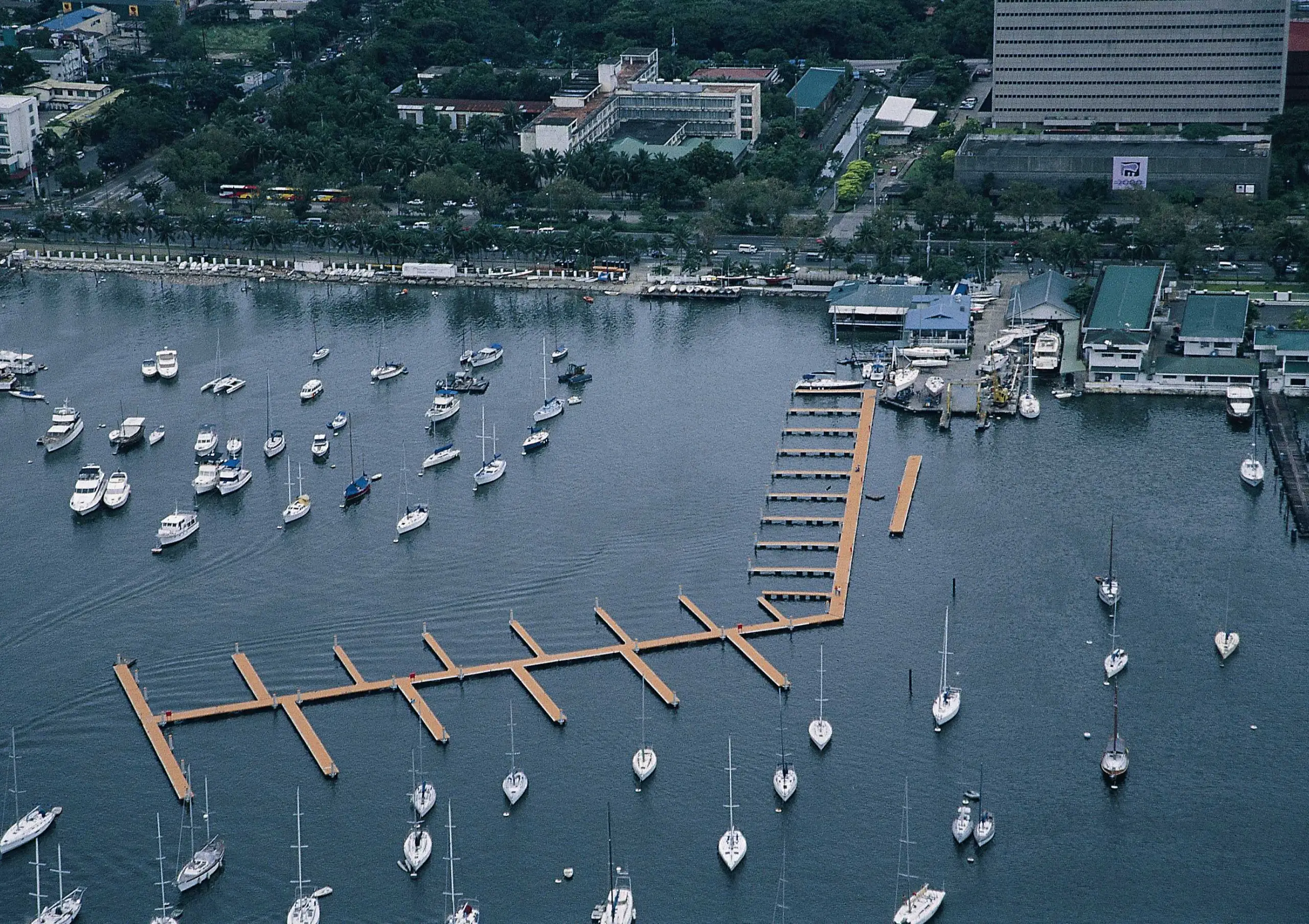
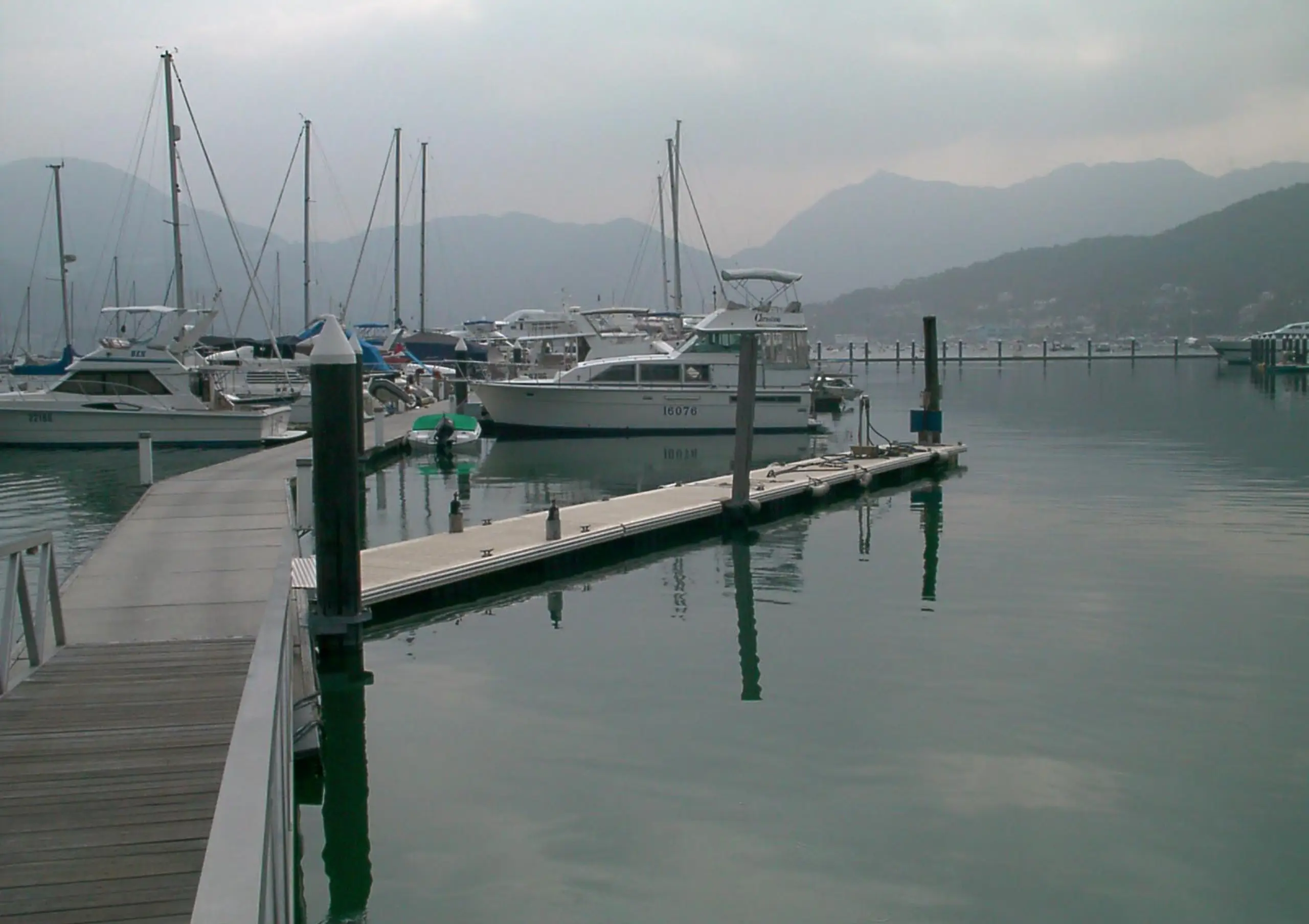
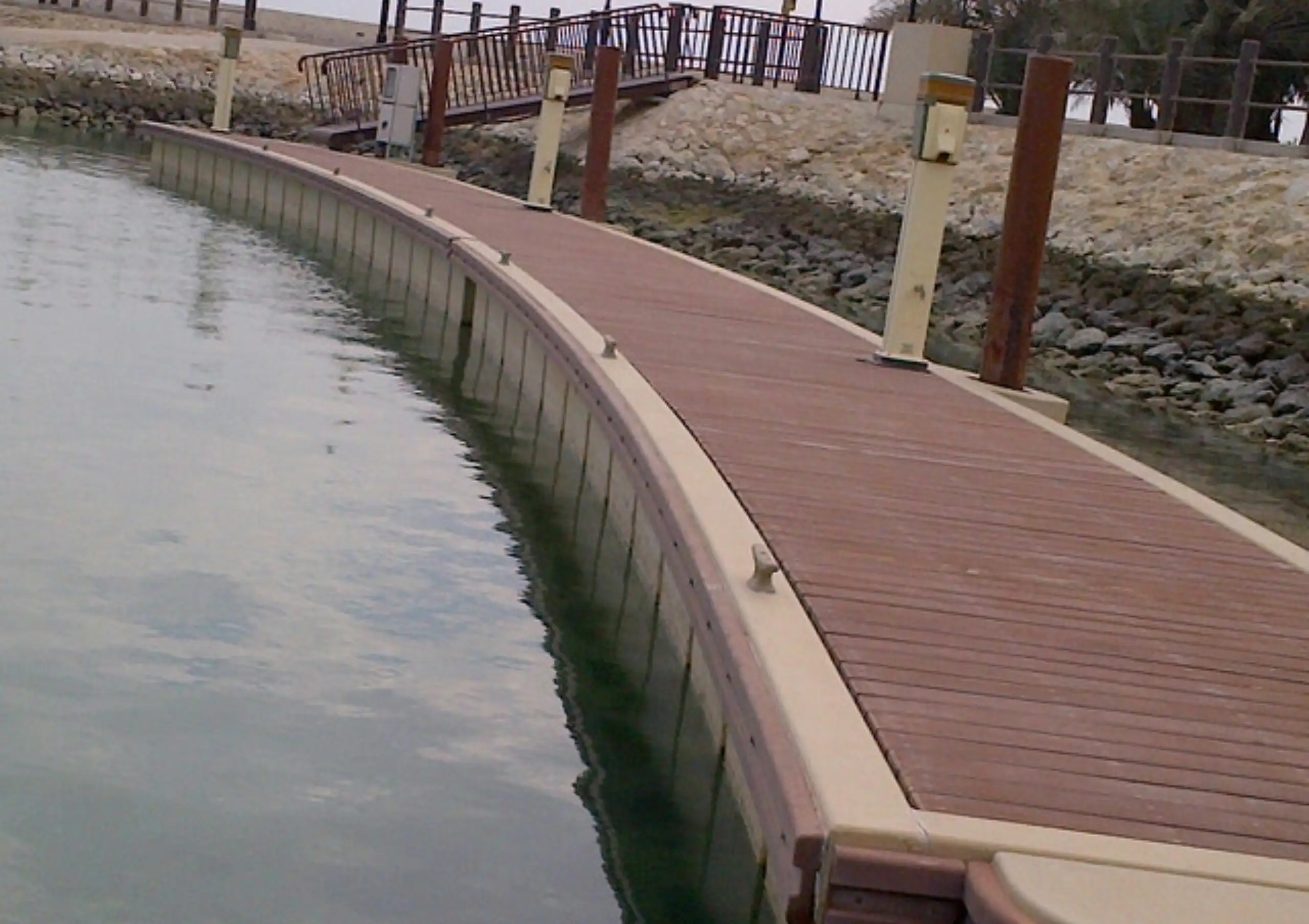
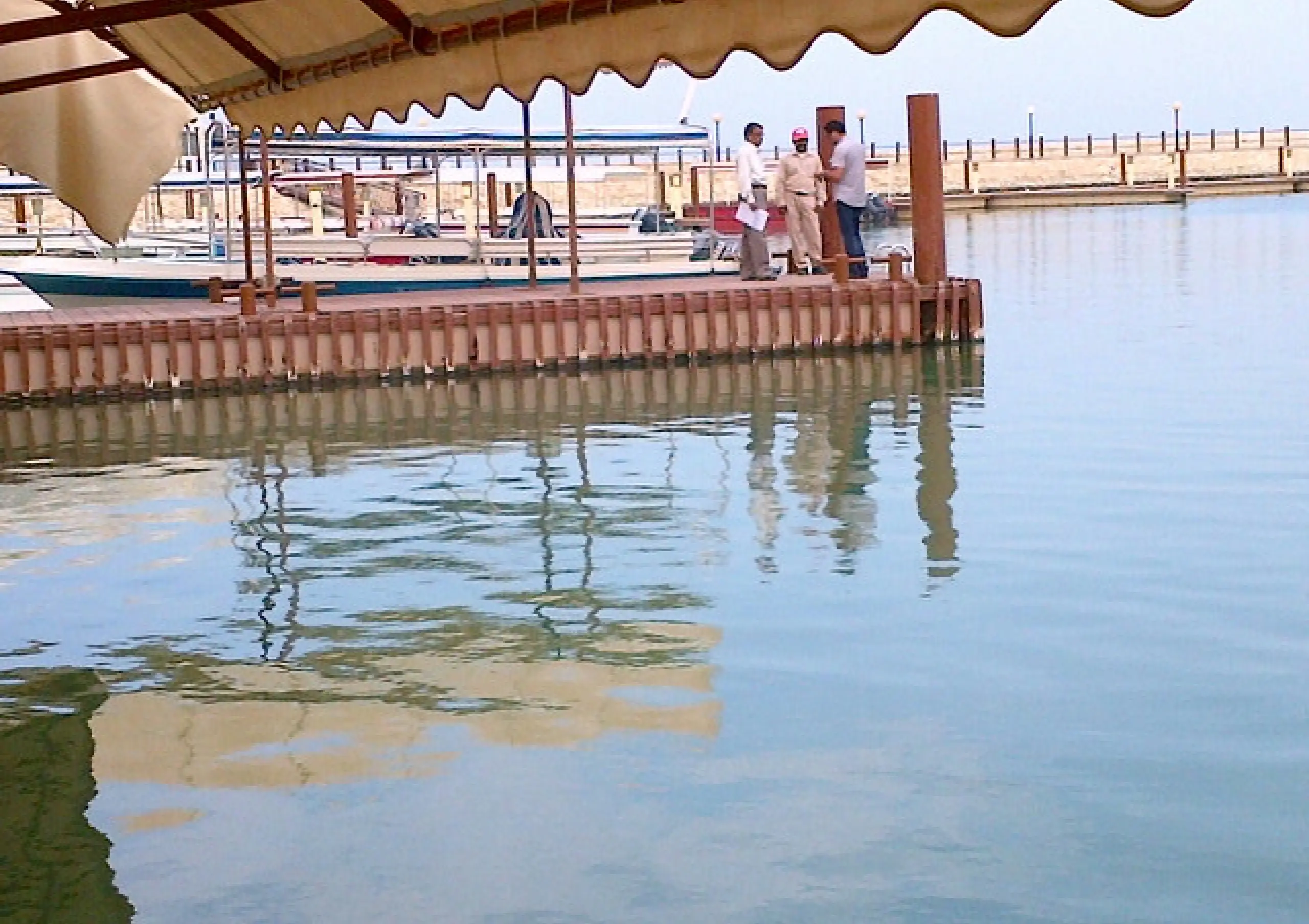
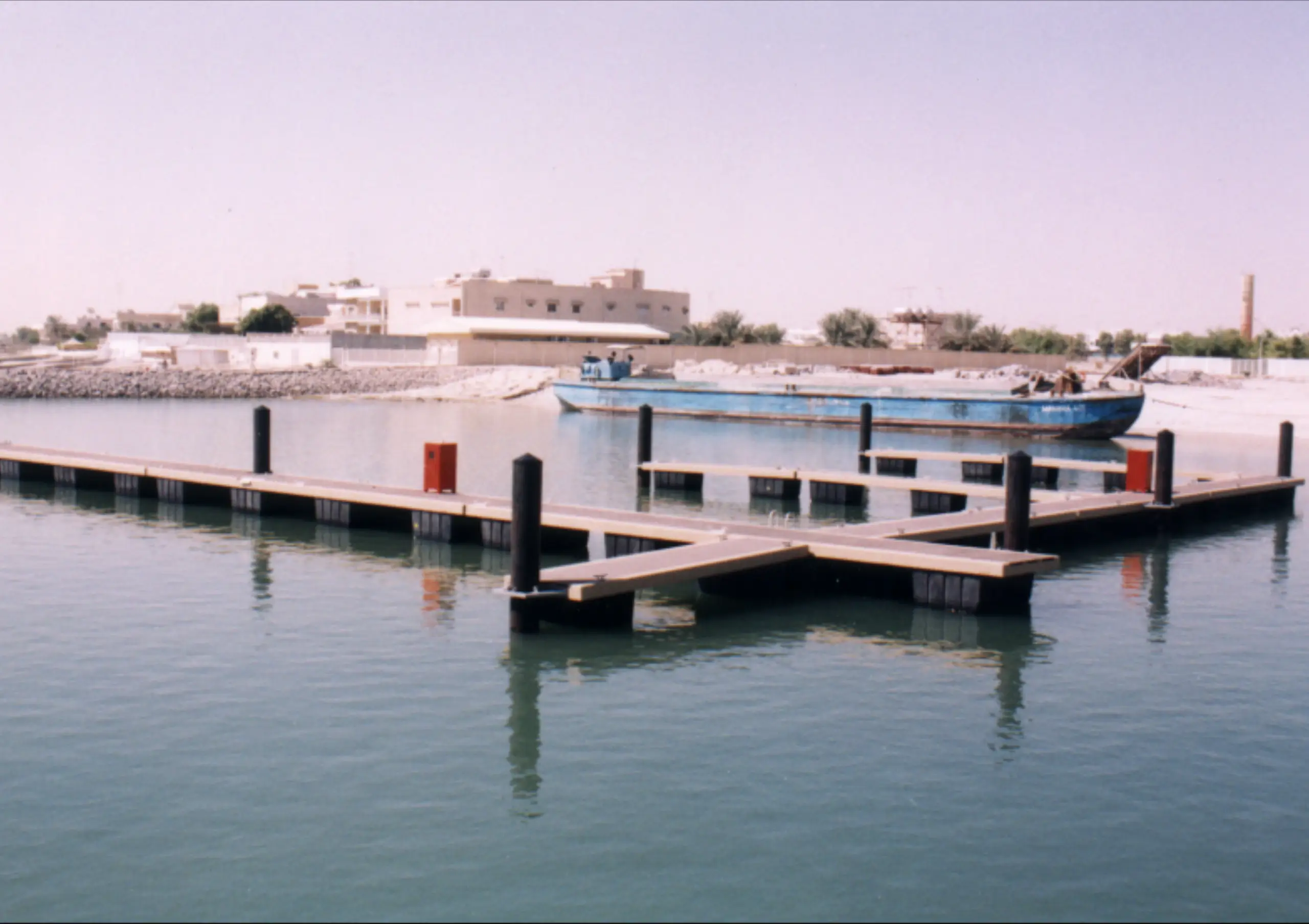
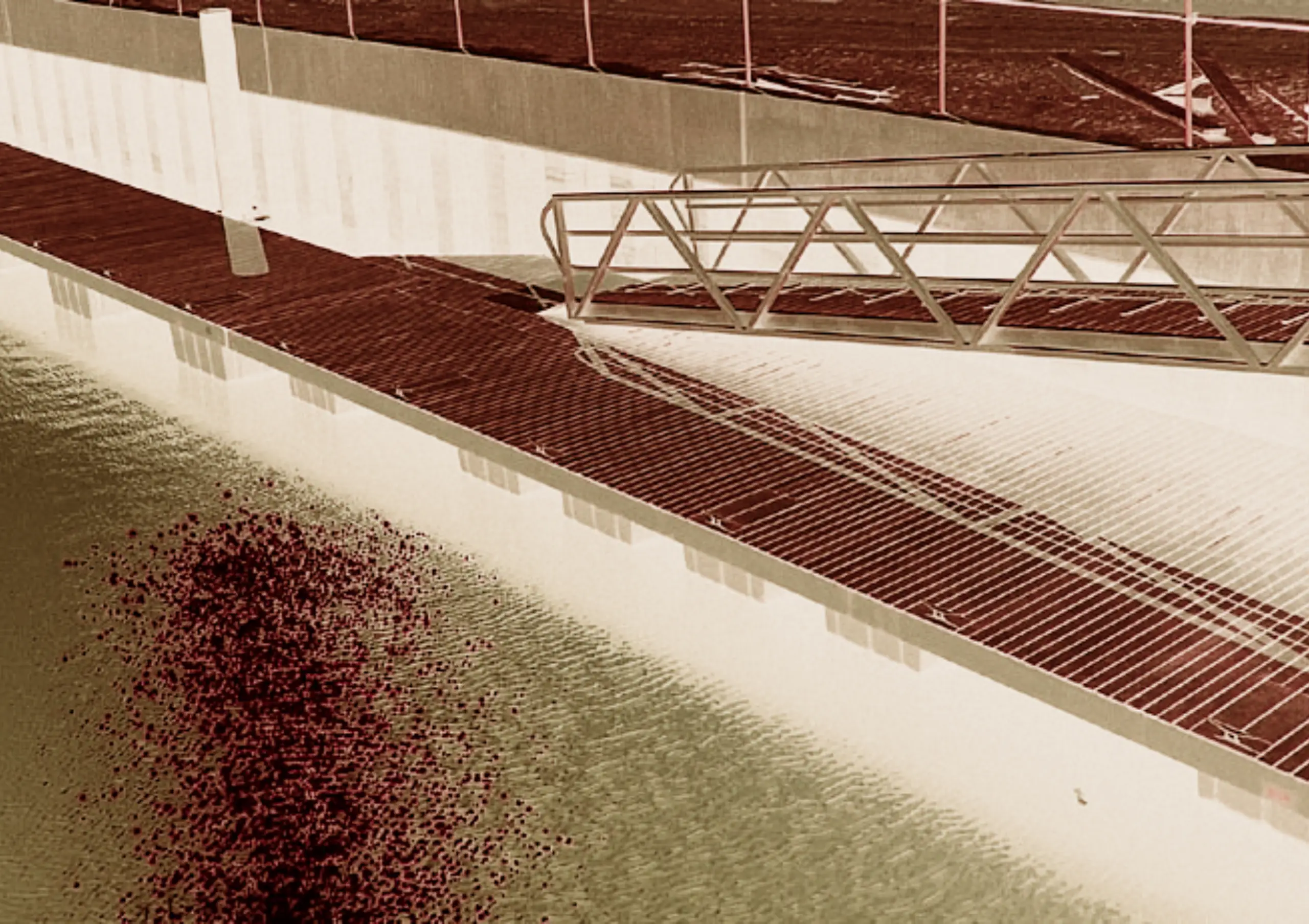
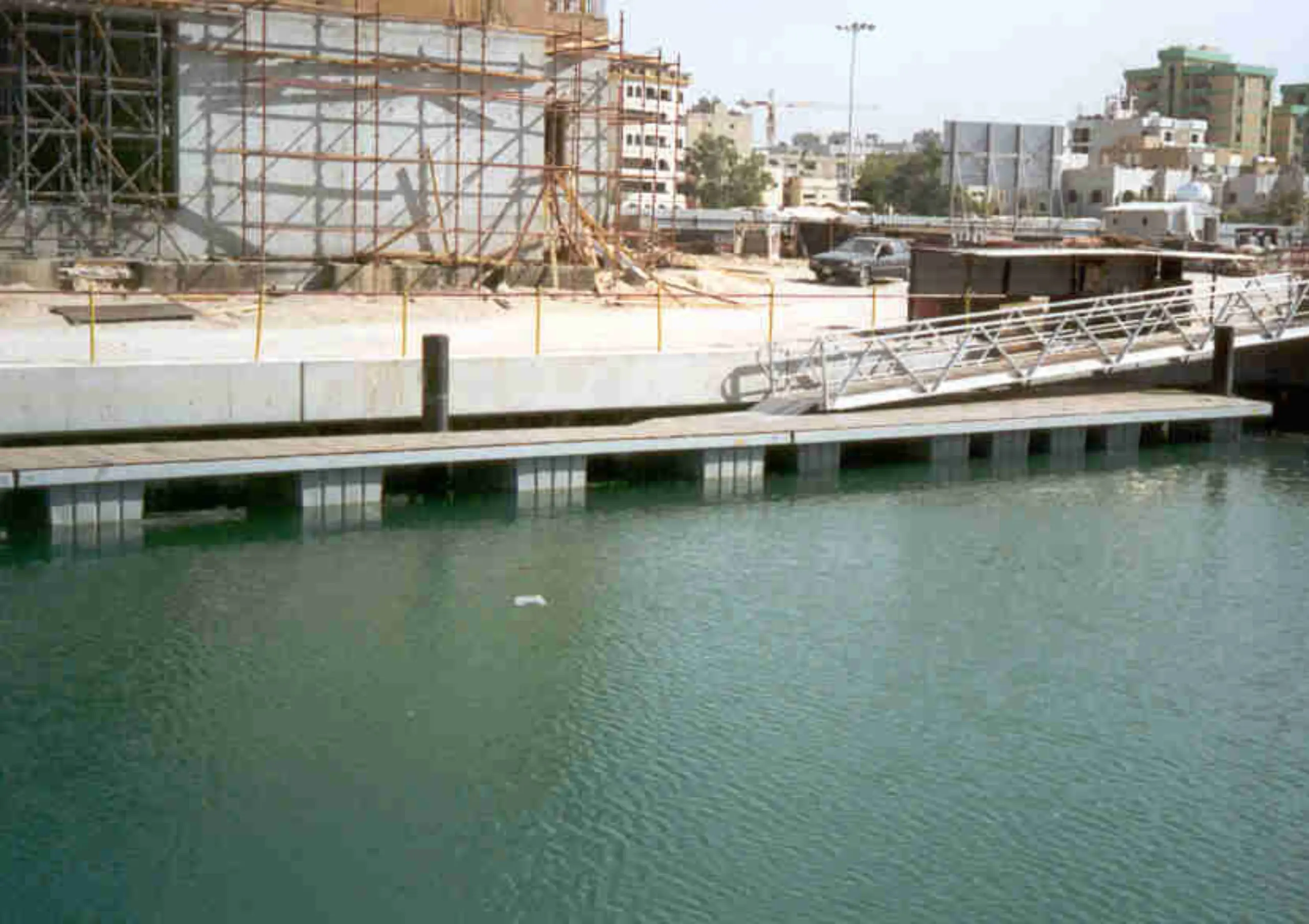
Compeng developed (FRP / GRP) composite structural marina floating docks for BFG group. FRP / GRP is a modern material that is as strong as steel even stronger that steel with Carbon fibres, weighs 1/4th of steel, does not corrode and lasts for decades in harsh environment. It is the material that all the modern yachts are made of. A typical marina dock has two main components. A structural deck frame and the floats. The deck frame handles all the loads coming on the yacht berthing dock. For example, the yachts hitting when docking, water waves impacting the dock, and high-profile yachts facing the wind, push or pull the dock against the anchoring piles of the dock. The float is a tub like box attached under the deck frame, that keeps the dock afloat. Traditionally the deck frames are made of wood, concrete, or Aluminum. Float tubs are made of concrete or polyethylene. All these traditionally used materials are badly affected by water, more so with sea water, where the docks are deployed.
To have marina docks that are not negatively or seriously impacted by water damage, we developed an innovative material and method for construction of the important structural deck. We engineered a monolithic, corrosion free, one component moulded FRP / GRP structural deck. The monolithic deck replaced the traditional assembly of several metal or wooden members or concrete blocks that made the deck frame. The welded or bolted joints in metal or wooden deck frames need heavy maintenance to protect them from water and corrosion. Similarly, concrete block decks are prone to cracking due to cooling and heating during the winters and summers. The cracks expose the steel in the concrete to water resulting in rusting of steel and failure of the deck. While our innovative method of monolithic structural deck handled all the loads on the deck, it also eliminated several accessories fitted to the traditional deck frames. The docks need to service the berthed yacht with supply of water and electric power. The water pipes and electrical lines are traditionally run through conduits on the sides of docks, which are often damaged by berthing impact of the yachts. We designed the moulded deck as a panel with provision to accommodate the service lines on the top face of the deck but concealed under the deck planks. The moulded deck panel has no open gaps, unlike in an assembled frame with metal or wood cross members. Hence the water does not splash through the deck frame on the upper face of the deck. The impervious moulded deck protects the cables and pipes from water splashes and yacht impact damage. This was very disruptive way of looking at the marine dock constructions from a completely new perspective of a multifunctional monolithic moulded structural composite deck panel replacing assembly of few hundred components with traditional materials.
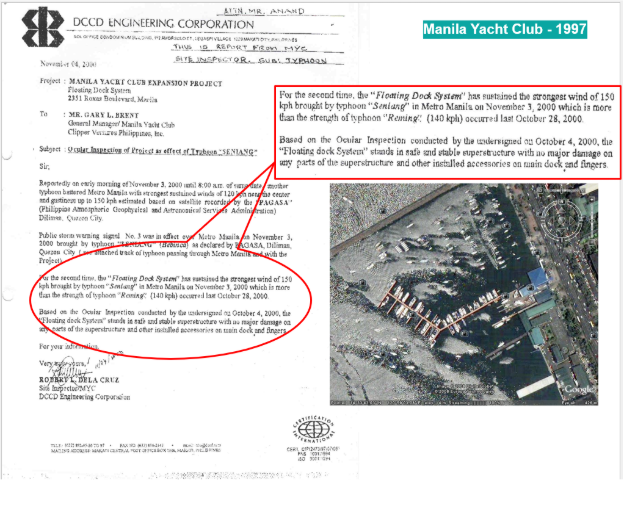
We thoroughly and systematically ran test program on the new system to validate the innovation. The scientifically proven innovation gave confidence to the marina operators and owners to deploy the new system, with assured safety. We oversaw his innovation deployed in a large commercial project at Manila Yacht club, prestigious facility in Manila, Philippines. The docks are still in service performing successfully, withstanding yearly hurricanes of over 180 mph winds since 1999. The testimony to our innovation in the Marina market is that FRP / GRP composite marina docks were further deployed in harsh environment locations marinas in Hongkong, Kuwait, Bahrain, and Saudi Arabia.
One of our earliest projects was in Manila, in the Philippines. This region is prone to extreme high wind typhoons / hurricanes reaching upto 300 kmph ( 195 mph). The FRP / GRP docks were installed around 1997. The inherent impact resistance of FRP / GRP was able to sustain several such winds over last 25 years. Any other assembled metal frame or concrete would never survive such strong wind impacts where the docks go up in the air and thump back onto the water under such sever wind conditions. The inspector records on year 2000 shows the observation as follows
FRP / GRP Is Worlds Most Accepted Material for Marine Environment
- FRP / GRP is a high performance, Very high Impact Resistant, technologically advanced structural material.
- Integration : One-piece construction without dependency on any assembly joints.
- Combination of resins for Corrosion Free performance and very high mechanical properties.
- FRP / GRP is a highly electrically insulating material.
- FRP / GRP Structures perform exactly same as any premium quality FRP / GRP Yacht.
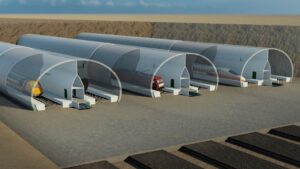
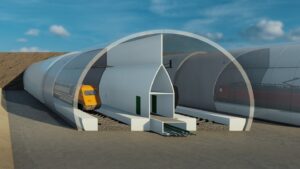
We worked as consortium partners on a train tunnel design and engineering innovation project. The tunnel is part of Neom smart city on the red sea with 160 km (100-mile) long underground high speed mass rail transport. The city will have no roads. Hence the underground mass transport tunnel is very critical to the project. Compeng conceived a design of the structural shell of the tubular tunnel using fibre reinforced polymer (FRP / GRP) composite. FRP / GRP consists of woven cloth of glass fibres and a polymeric resin to embed the fibres, like concrete embeds the steel bars in reinforced cement concrete (RCC) structure.
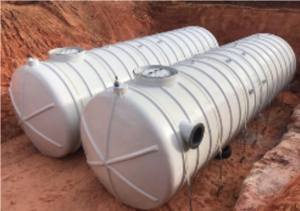
The proposed tunnel is a 53 ft. wide arched section with 2 train tracks. FRP / GRP composites have never been considered for primary load bearing structure for tunnel. FRP / GRP composites have been used for underground tanks and pipes, where water or gasoline applies pressure. from the inside. A tunnel wall has soil pressure from the outside with hollow space inside. Principally, a tunnel is loaded exactly the other way that of an underground tank or pipe. For the underground tanks and pipes such stiffener rings are outside as seen in the image of the tank. Compeng looked at the tunnel in a new way, as the opposite of an underground tank or pipe and engineered the FRP / GRP Shells for all functional requirements. This out of the box thinking is a testimony to our ability to apply our knowledge, experience, and creative mind to find a viable solution to the challenges. We thoroughly assessed our design to be structurally durable for all the loads.
Compared to the traditional concrete tunnels, FRP / GRP tunnels will be corrosion and maintenance free, structurally safer, amazingly fast deployable with modular tunnel construction method.
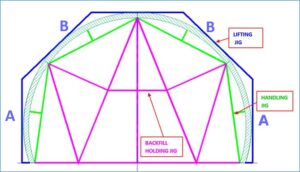
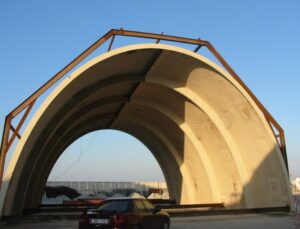
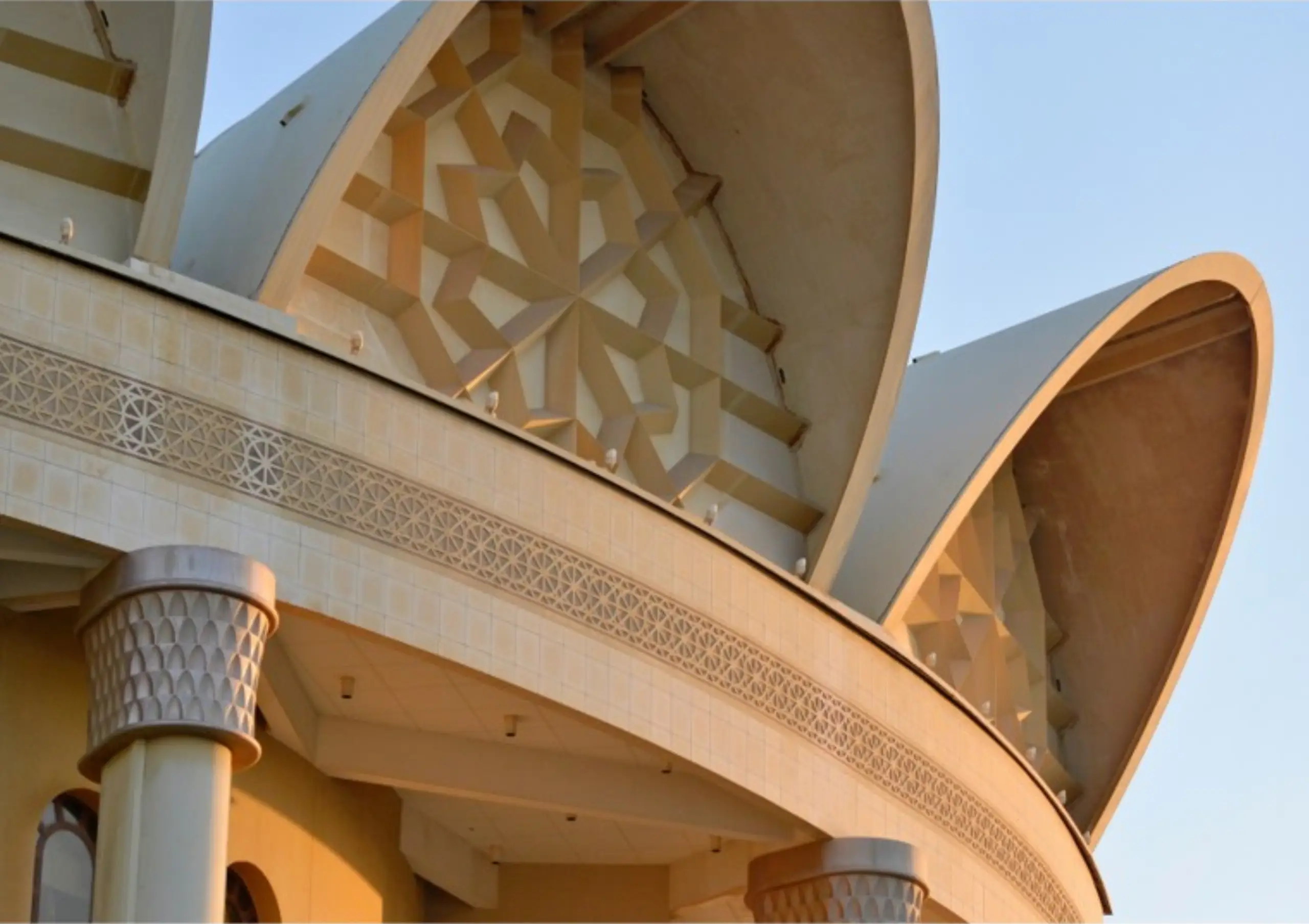
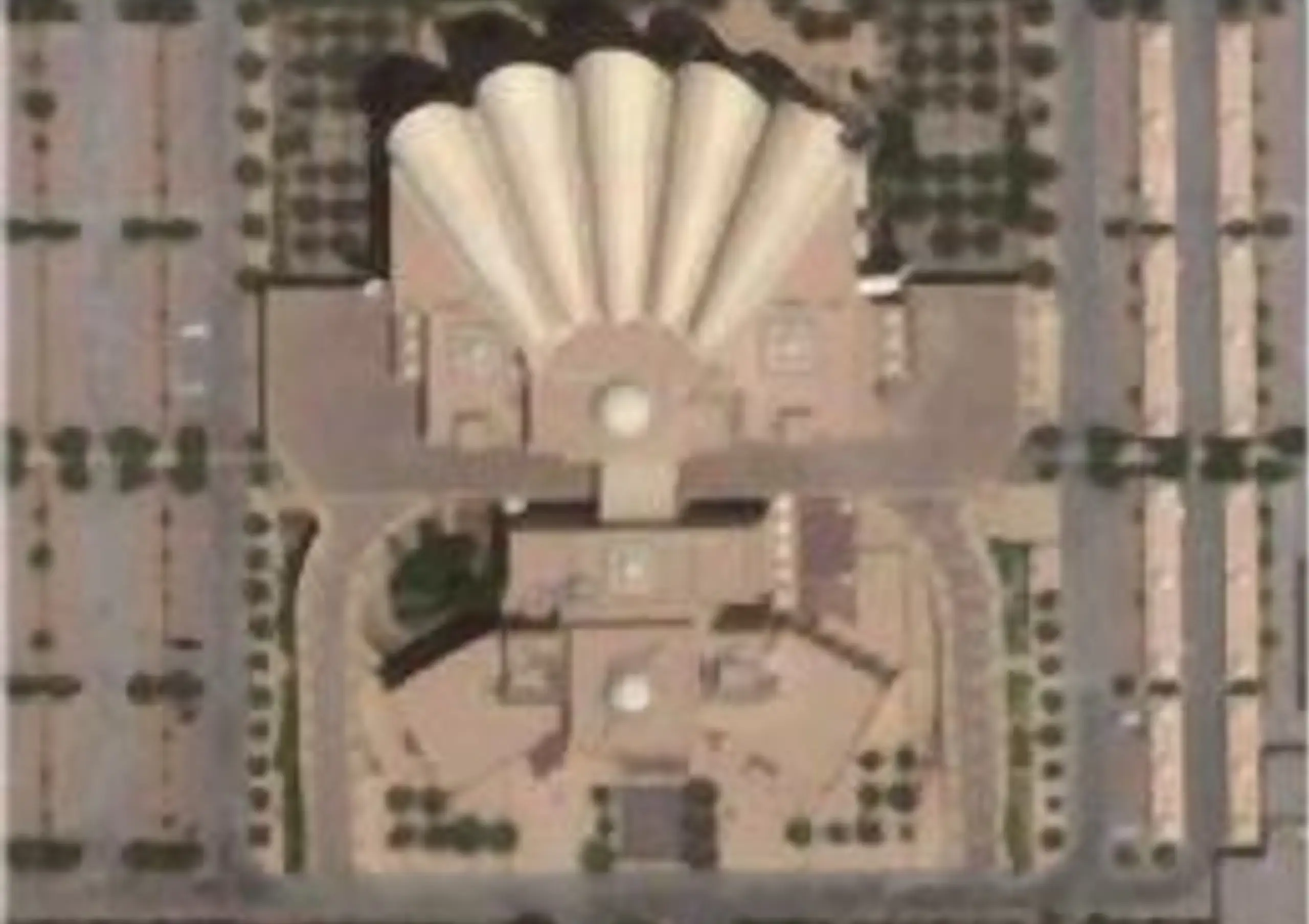
We then developed this innovative FRP / GRP tunnel design concept into a constructable FRP / GRP product made of modular panels. We designed FPR panels that can be easily handled and assembled at site to form the circular tunnel shell. We had an experience of designing of 5 large FRP / GRP Roof vaults, each about 50 m(165 ft.) long x 16m (52 ft.) wide and 12m (40’) high, fluted roof for a project in Bahrain between 2003 to 2006. We used that experience and innovatively designed lightweight lifting and installation jigs for handling large FRP / GRP panels of the tunnel and a speedy panel joining method.
The FRP / GRP panels designed by us are about 97% lighter than precast concrete. With our design of large and lightweight FRP / GRP panels, and jigs, the speed of construction of tunnel, will be increased by 4 to 5 times than the conventional Concrete precast panels tunnel. Construction time reduction by 75 to 80% is a groundbreaking innovation in the domain of tunnel construction.
The carbon emission and sustainability experts in our consortium studied our FRP / GRP tunnel design, and concluded, that the efficient, light, and strong FRP / GRP panels would reduce the total carbon emissions for construction of the tunnel by 75% compared to concrete tunnels. Our innovative FRP / GRP composite tunnel system is an important milestone for the world to look at FRP / GRP composites as an environmentally sustainable alternative for infrastructure development.